Tornadoes are among the most powerful and unpredictable forces in nature, capable of changing lives in a matter of minutes. With incredibly high wind speeds, these storms demand respect, preparation, and practical safety planning. Understanding how tornadoes form, where they strike, and how communities can respond is essential for protecting families and property. For residents in Oklahoma and beyond, combining knowledge with the protection of a properly installed tornado shelter can make all the difference when severe weather strikes.
1. Understand How Tornadoes Form
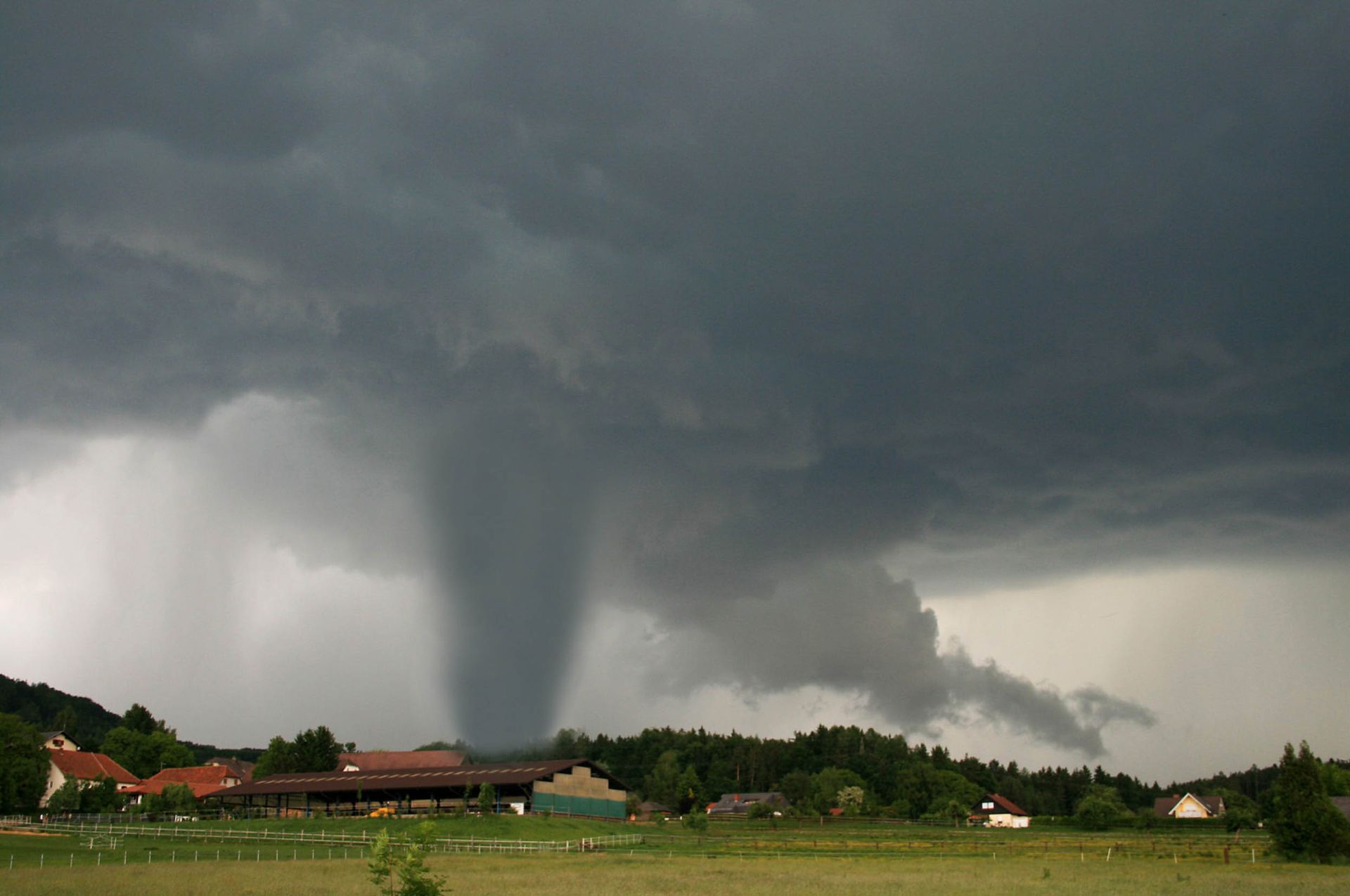
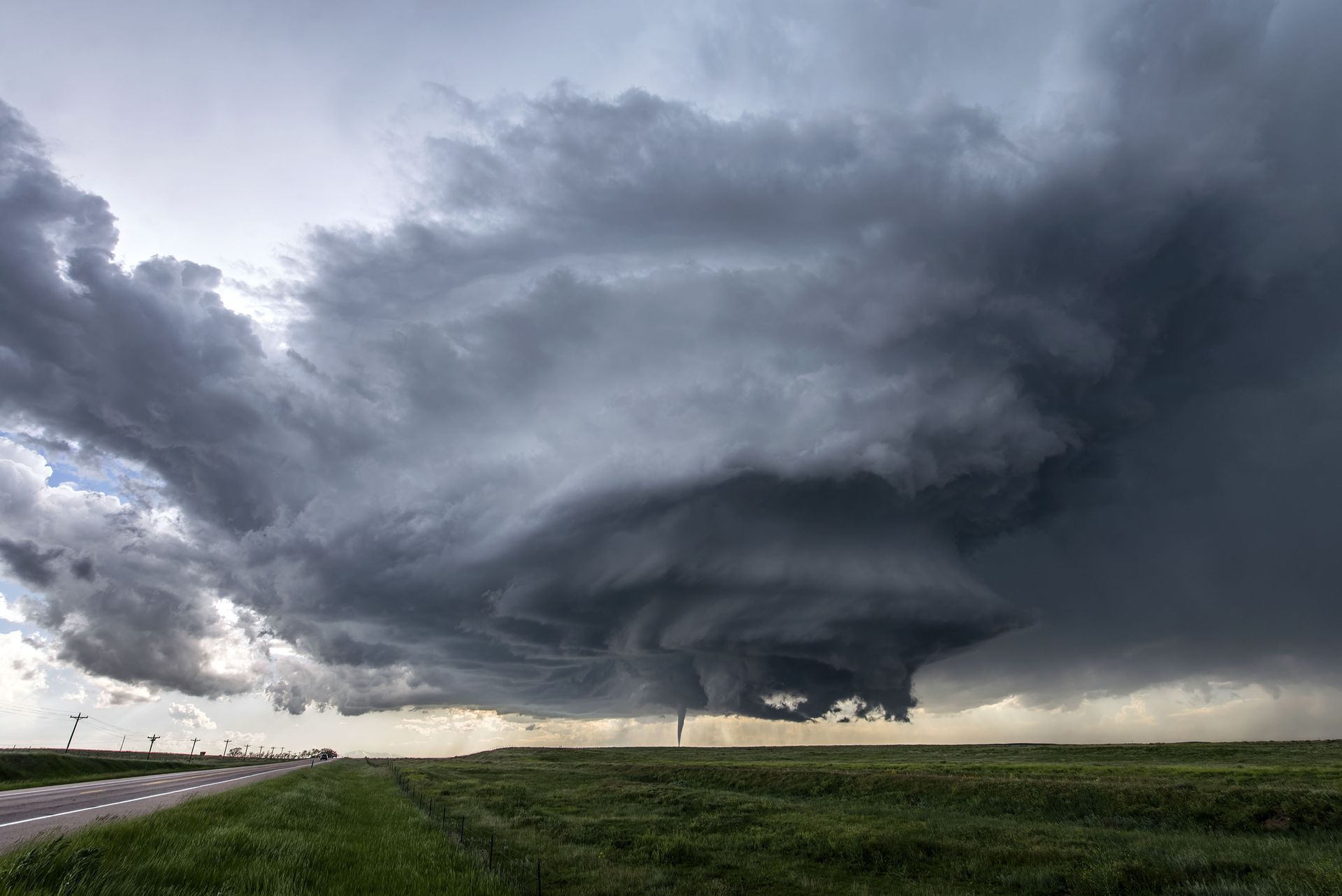
Tornadoes typically develop from severe thunderstorms known as supercells, which contain a rotating updraft called a mesocyclone. When warm, moist air near the ground rises rapidly and interacts with cooler, drier air above, wind shear can cause horizontal rotation that tilts vertically and tightens into a funnel cloud. Once that funnel touches the ground, it becomes a tornado capable of causing significant destruction in seconds.
According to the National Oceanic and Atmospheric Administration’s National Severe Storms Laboratory, tornadoes can occur and have been reported in all fifty states, proving that no region is entirely immune from risk. While certain areas experience higher frequency, the atmospheric ingredients for tornado formation can align almost anywhere under the right conditions. Because of this unpredictability, understanding storm development is only one part of preparedness; having immediate access to a secure tornado shelter provides an added layer of protection when warnings are issued and time is limited.
2. Recognize Why Oklahoma Is Highly Vulnerable
Oklahoma sits in the heart of what is commonly known as Tornado Alley, where warm air from the Gulf of Mexico frequently collides with cool, dry air from the Rockies and Canada. This volatile mix creates ideal conditions for severe thunderstorms and rotating systems. The flat terrain further allows storms to travel with little obstruction, increasing exposure for homes and businesses.
The state’s history includes some of the most powerful tornadoes ever recorded, reinforcing the importance of long-term planning rather than last-minute reactions. Even when storms weaken before reaching populated areas, the risk of flying debris and structural damage remains significant. For families across the region, investing in a tornado shelter is not simply a precaution but a practical response to living in an area where severe weather is a seasonal reality that demands proactive safety measures.
3. Learn How Tornadoes Are Rated
Meteorologists use the Enhanced Fujita (EF) Scale to categorize tornadoes based on the damage they cause. Rather than measuring wind directly in every case, experts assess structural damage to estimate wind intensity. These ratings help emergency responders understand the scope of destruction and allocate resources effectively. They also provide historical data that informs building codes and safety recommendations in tornado-prone regions. While the EF rating is determined after the storm passes, preparation must occur beforehand, and having a properly engineered tornado shelter in place ensures families have a reinforced space capable of withstanding extreme forces associated with higher-rated storms.
4. Explore How Tornado Impacts Shape Safety Planning
Tornadoes have long influenced how communities approach severe weather safety, building standards, and emergency preparedness. Over time, experiences with destructive storms have demonstrated that even well-constructed homes can suffer significant structural damage when exposed to extreme winds and flying debris. This reality has led to stronger building codes, improved warning systems, and greater emphasis on personal preparedness measures. Traditional interior rooms may provide some protection, but they are not always designed to withstand the intense pressures associated with severe storms. Because of this, many homeowners now consider installing a dedicated tornado shelter as a key part of long-term safety planning, ensuring their families have a reliable refuge designed specifically to protect against high winds and dangerous debris during severe weather events.
5. Follow Advances in Tornado Detection
Modern technology has significantly improved tornado detection and warning times. Doppler radar allows meteorologists to identify rotation within storms, while satellite imaging and computer modeling enhance forecasting accuracy. Today, we have found that warnings may provide 15 to 20 minutes of lead time in many cases. Storm spotter networks and real-time data sharing also contribute to faster dissemination of alerts. Despite these advancements, tornadoes can still form rapidly and change direction unexpectedly. Because warning time is often brief, families benefit from having immediate access to a tornado shelter located on their property.
6. Distinguish Between Watches and Warnings
A tornado watch indicates that atmospheric conditions are favorable for tornado formation across a broad area. During a watch, individuals should review safety plans, monitor weather updates, and prepare to act quickly if conditions worsen. A tornado warning, however, means a tornado has been sighted or detected by radar, and immediate protective action is necessary. Knowing the difference between these alerts allows families to move quickly to a designated tornado shelter without hesitation, reducing confusion and ensuring a faster, more organized response during high-stress situations.
7. Strengthen Homes and Safe Rooms
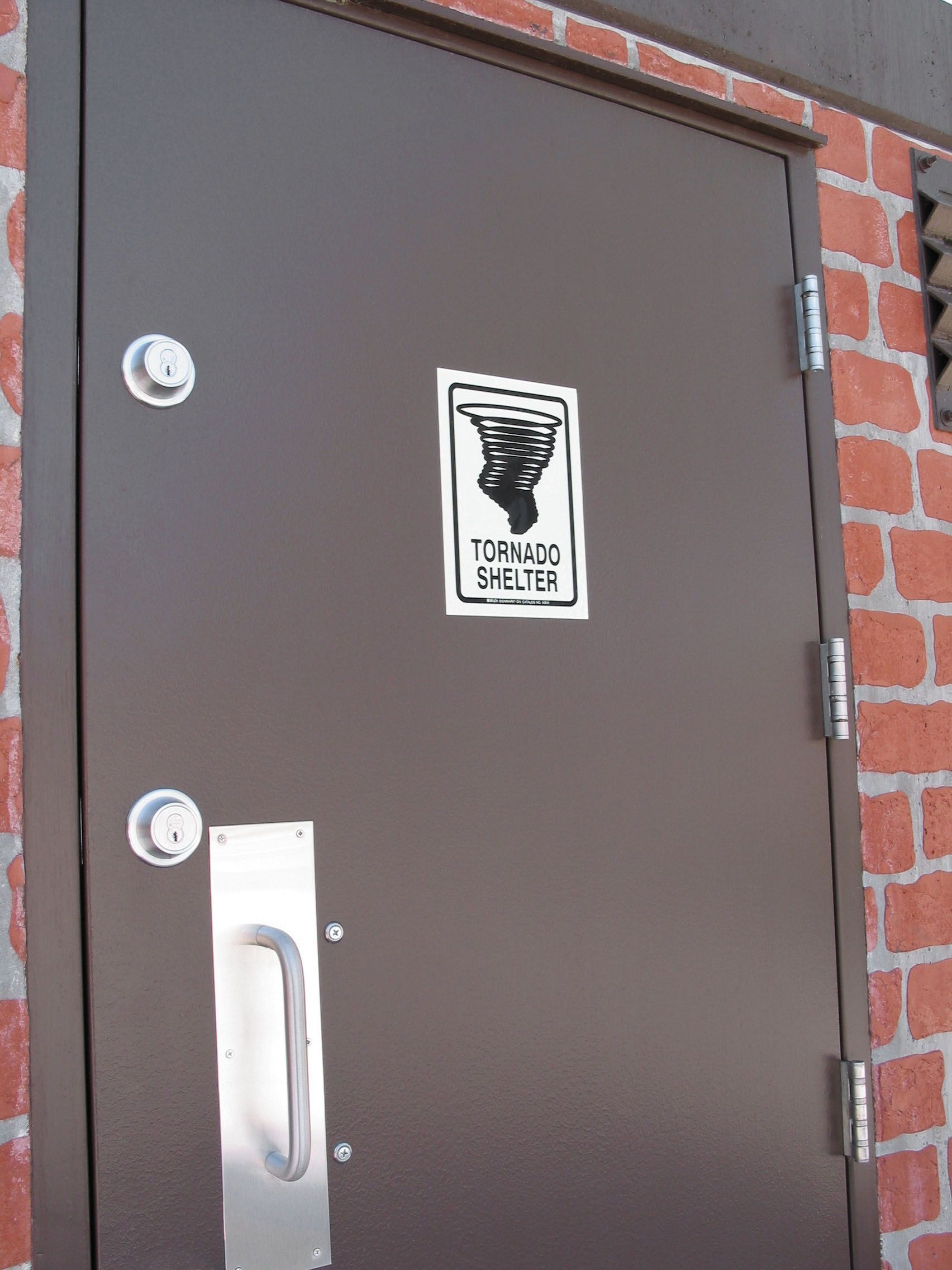
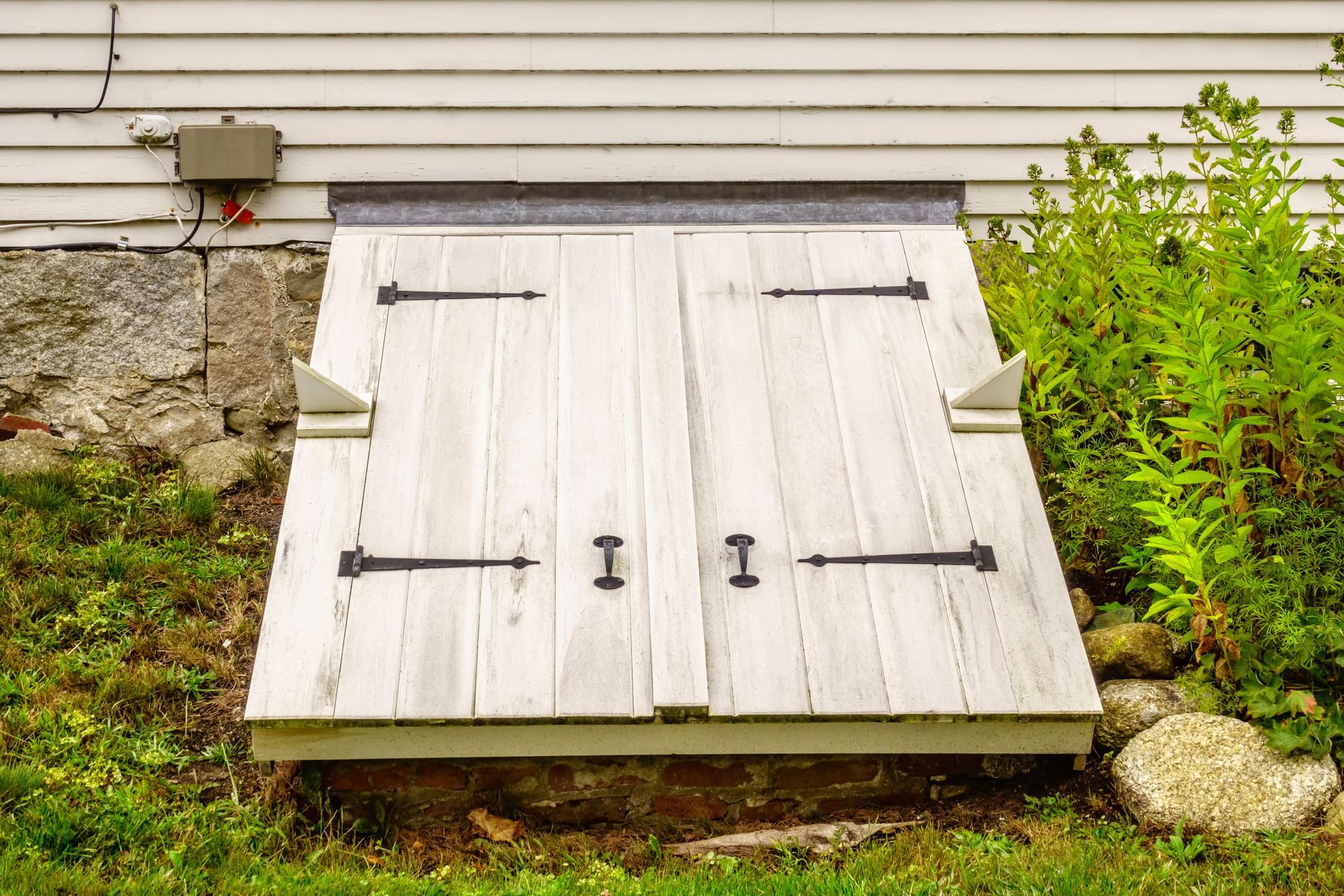
Reinforcing residential structures can reduce damage during severe storms. Securing roof systems, installing impact-resistant windows, and strengthening garage doors all contribute to improved structural integrity. However, even well-built homes may not provide adequate protection against powerful tornadoes. Safe rooms and engineered storm spaces are specifically designed to withstand extreme wind pressures and flying debris. Above-ground units and in-ground options both provide reliable protection when built to recognized safety standards. Choosing a professionally installed tornado shelter gives homeowners a purpose-built space that meets rigorous testing requirements and offers peace of mind during Oklahoma’s volatile storm seasons.
8. Prepare Emergency Supplies in Advance
In addition to structural protection, families should maintain an emergency kit. Essentials include bottled water, non-perishable food, flashlights, batteries, first-aid supplies, medications, and copies of important documents stored in waterproof containers. Communication tools like battery-powered radios and fully charged mobile devices help individuals stay informed. Helmets and sturdy shoes can also reduce injury from debris after the storm passes. Keeping these supplies inside or near a tornado shelter ensures that once safely inside, families have access to necessary items without needing to re-enter hazardous conditions prematurely.
9. Support Community Preparedness Efforts
Community-wide preparedness strengthens resilience across entire regions. Schools conduct tornado drills, businesses establish emergency protocols, and municipalities designate public storm shelters for residents without private options. Local collaboration between emergency managers, meteorologists, and first responders improves response times and recovery coordination. Educational outreach campaigns help residents understand evacuation procedures and shelter locations. When individuals install a tornado shelter at home, they not only protect their families but also reduce strain on public resources during widespread severe weather events.
10. Consider How Climate Patterns May Influence Future Storms
Researchers continue studying how climate variability may influence severe weather patterns. Shifts in temperature, humidity, and atmospheric instability affect where and when tornadoes form, potentially expanding risk areas beyond historically high-frequency regions. Although scientists are still analyzing long-term trends, one certainty remains: severe storms will continue to occur, and preparation must adapt accordingly. Communities that invest in resilient infrastructure and safety planning are better positioned to manage risks. Proactively installing a
tornado shelter reflects a forward-thinking approach to safety that acknowledges uncertainty while prioritizing protection.
Tornadoes are unpredictable and capable of immense destruction, yet informed preparation can dramatically reduce risk. Every step taken in advance contributes to greater safety. For homeowners across Oklahoma, a professionally installed shelter provides dependable protection when severe weather threatens. If you are ready to take control of your family’s storm preparedness, contact our team at New Day Tornado Shelters today for a free same-day estimate and discover how a reliable shelter solution can help safeguard what matters most.