Understanding the critical nature of tornado awareness and response time can mean the difference between safety and catastrophe. In this article, we explore why every second matters during a tornado event by examining its causes, effects, and effective survival strategies. A properly designed storm shelter provides a secure refuge, giving individuals crucial protection while waiting out the storm. Advances in warning systems and technology have further improved our ability to respond quickly, ensuring that people can reach a storm shelter in time to stay safe.
The Science Behind Tornado Formation
Tornadoes commonly form under specific atmospheric conditions that include key ingredients like moisture, instability, and lift. Warm, moist air from the Gulf of Mexico often clashes with cold, dry air from the Rockies or Canada, creating the ideal environment for thunderstorms and tornadoes. The energy produced during these clashes can generate supercell thunderstorms, which are more likely to produce tornadoes. Atmospheric shear, or changing wind directions at different heights, is also critical in tornado formation.
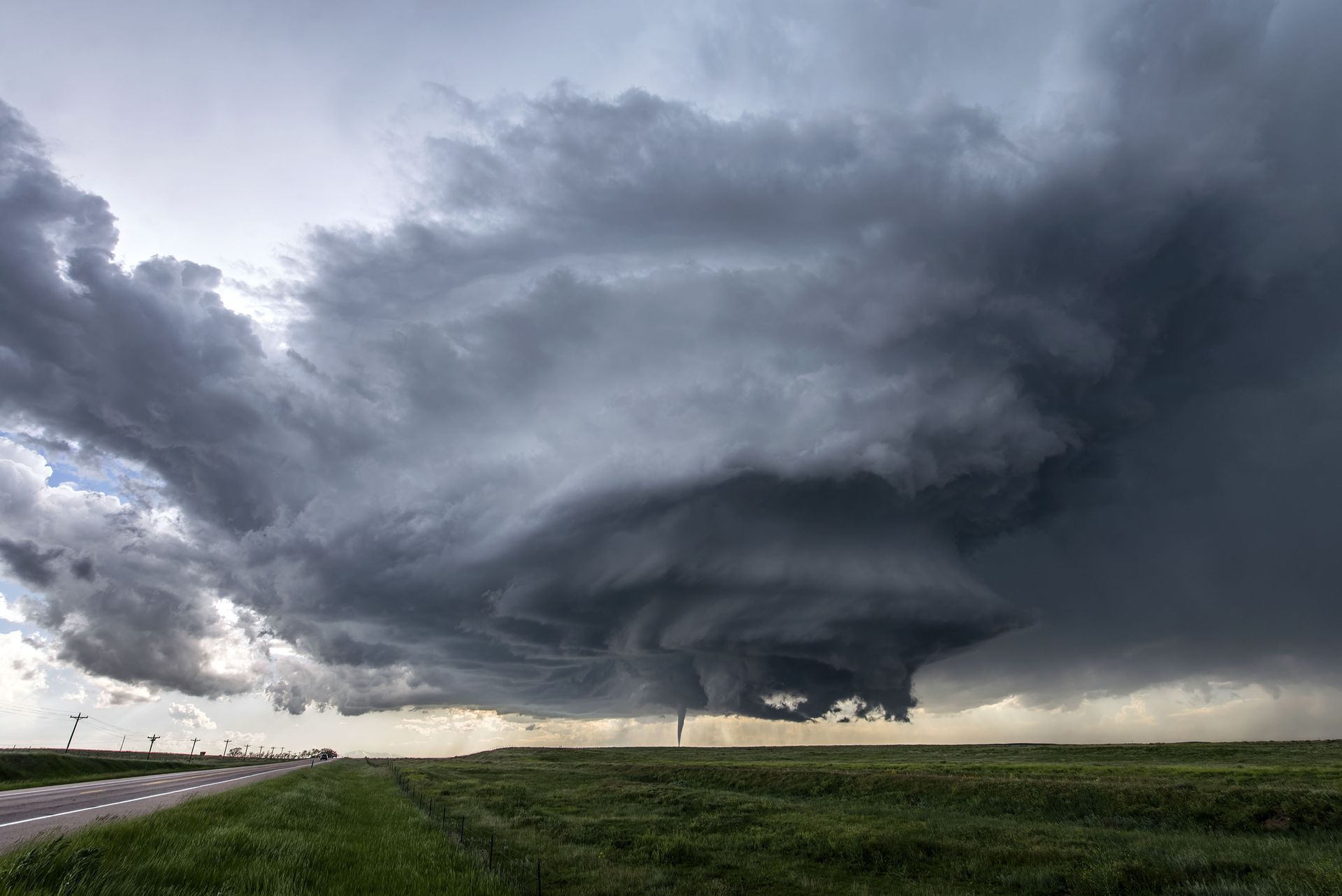
Supercells are powerful thunderstorms marked by a rotating updraft known as a mesocyclone, which is a key factor in tornado formation. Although less common, these storms are linked to the most violent and destructive tornadoes. Because supercells can last for several hours, they have the potential to produce multiple tornadoes during their lifecycle, making timely safety measures essential. Having a well-constructed storm shelter nearby can provide crucial protection when these severe storms strike, safeguarding lives from the intense winds and hazards generated by supercells.
Tornadogenesis is the process by which a tornado forms, and it involves a complex interaction between various atmospheric components. Within a supercell, strong vertical wind shear causes the mesocyclone to tighten and increase in speed. The low pressure at the center of this rotation can cause the storm's base to lower, forming a rotating wall cloud. As the rotation intensifies, a funnel descends from the wall cloud, and if it touches the ground, it becomes a tornado.
Warning Systems and Their Impact
The advent of radar technology, particularly Doppler radar, transformed forecasting by allowing meteorologists to detect signs of tornado formation. According to National Geographic, since Doppler radar has been in use, the warning time for tornadoes has grown from fewer than five minutes in the 1980s to an average of 13 minutes by the late 2000s. These advancements ensure that communities receive critical alerts in time to take life-saving actions.
Radar technology plays a critical role in detecting and tracking thunderstorms that have the potential to produce tornadoes. While traditional radar systems offered only basic information about precipitation, modern Doppler radar can measure wind speeds and detect rotation within a storm. Newer innovations, such as phased array radar, provide faster updates and higher-resolution data, enhancing the accuracy of tornado warnings. Access to timely warnings allows individuals to reach a storm shelter quickly, ensuring safety during severe weather events.
Effective communication of tornado warnings is essential for ensuring public safety, employing a variety of methods to reach the widest audience. Traditional methods like tornado sirens play an essential role, especially in outdoor settings or communities without widespread access to technology. The adoption of digital alerts through cell phone apps and emergency notification systems helps reach connected individuals promptly.
Psychological and Human Factors
Human responses to tornado warnings can vary greatly, influenced by personal beliefs, past experiences, and available resources. Some individuals act immediately and seek safety, while others may hesitate or underestimate the threat. Timely and credible information is crucial for motivating people to take appropriate protective measures. Having access to a reliable storm shelter ensures that those who respond quickly have a safe place to ride out the tornado, reducing the risk of injury or loss.
Social and cultural factors can significantly influence a community's level of tornado preparedness. Regions with frequent tornado activity often have ingrained preparedness practices and greater public awareness. Cultural beliefs and social trust in weather warnings and authorities can also affect how seriously warnings are taken. Initiatives that promote community engagement and education can address these variances, improving overall preparedness.
The role of media in shaping public reaction to tornado warnings is substantial and extends across various platforms. Traditional media, such as television and radio, disseminate continuous updates and information. Meanwhile, social media has emerged as a powerful tool for real-time communication during tornado events. The media's portrayal of potential threats and damage can either exacerbate public anxiety or instill a sense of urgency for taking protective measures.
Structural Vulnerability and Preparedness
Identifying vulnerable structures is an integral part of reducing damage and loss of life during tornado events. Mobile homes, for instance, lack the anchoring and structural integrity needed to withstand high wind speeds. Even well-built homes can suffer extensive damage if not designed to resist tornado-force winds. Existing structures can be assessed for vulnerabilities and mitigated through retrofits or reinforcing methods.
Stringent building codes are essential for improving the structural resilience of communities prone to tornadoes. Requirements for reinforced roofing, walls, and other structural elements can greatly reduce damage during severe storms. Despite these benefits, code implementation varies, leaving many areas without comprehensive protections against tornado risks. Incorporating a storm shelter into homes provides an additional layer of safety, ensuring residents have a secure refuge even in areas where building codes may be limited.
Developing robust emergency preparedness plans is critical for ensuring coordinated responses and community safety during tornado events. These plans should outline clear procedures for evacuation, communication, and resource allocation in the event of a tornado threat. Involving local stakeholders in the planning process enhances the plan's relevance and effectiveness. Regular reviews and updates to these plans ensure that any new risks or changes in the community are addressed.
Immediate Actions During a Tornado
Recognizing the signs of immediate danger is crucial for ensuring swift action during tornado events. Dark, greenish skies and large, low-lying cloud formations are primary visual indicators of potential tornado development. Audible cues, such as a loud roar or train-like noise, often precede a tornado's arrival. Understanding these warning signs can prompt individuals to seek shelter immediately, potentially saving lives.
Making quick decisions about staying or evacuating to a safer location is vital during tornado events. If in a mobile home or a structurally weak building, evacuation to a designated shelter or a sturdy building is advisable if time permits. For those in secure structures, moving to a basement or an interior room on the lowest floor away from windows is recommended. Clear, pre-established plans about who to contact and where to go can facilitate rapid, effective decision-making.
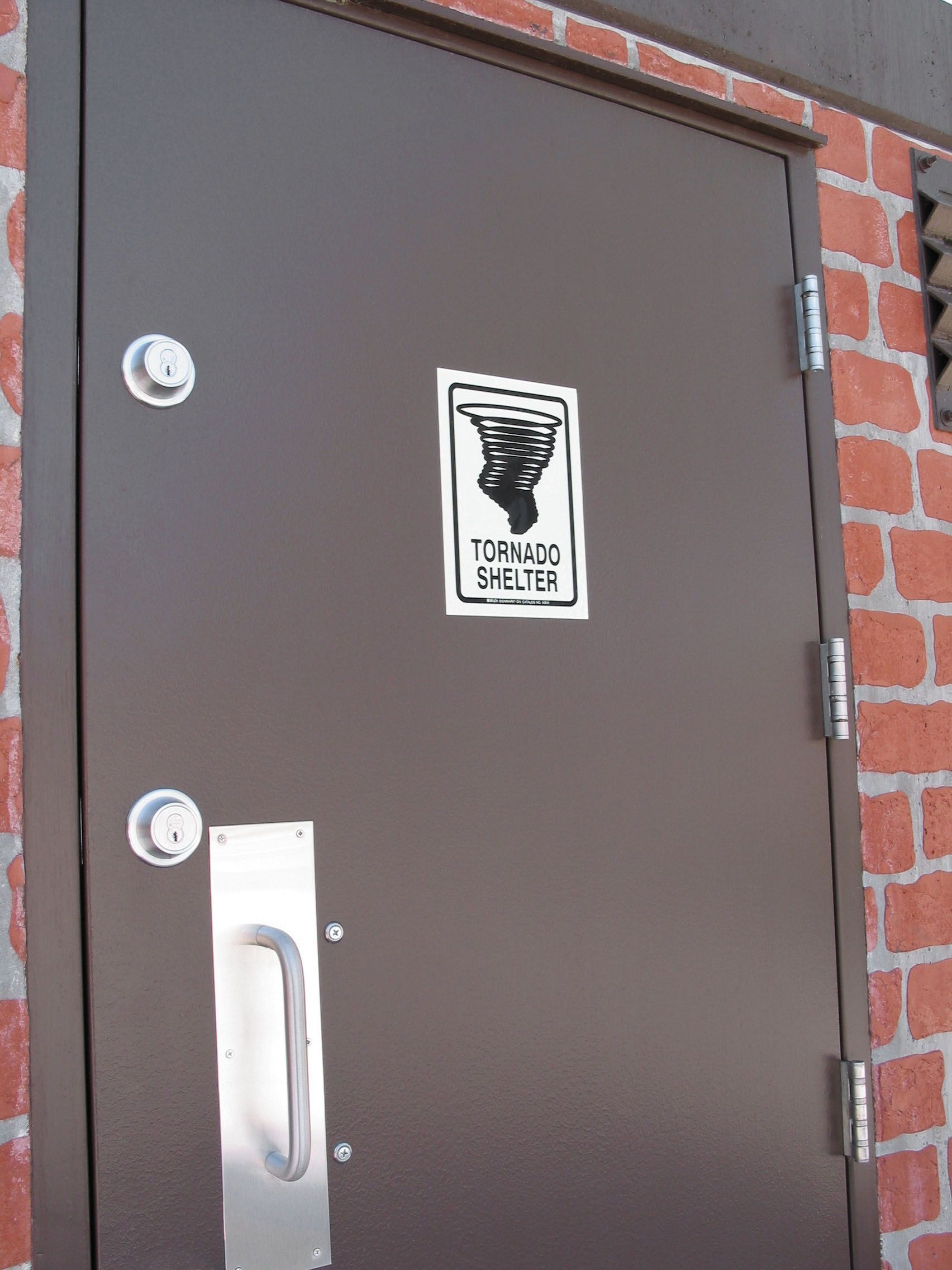
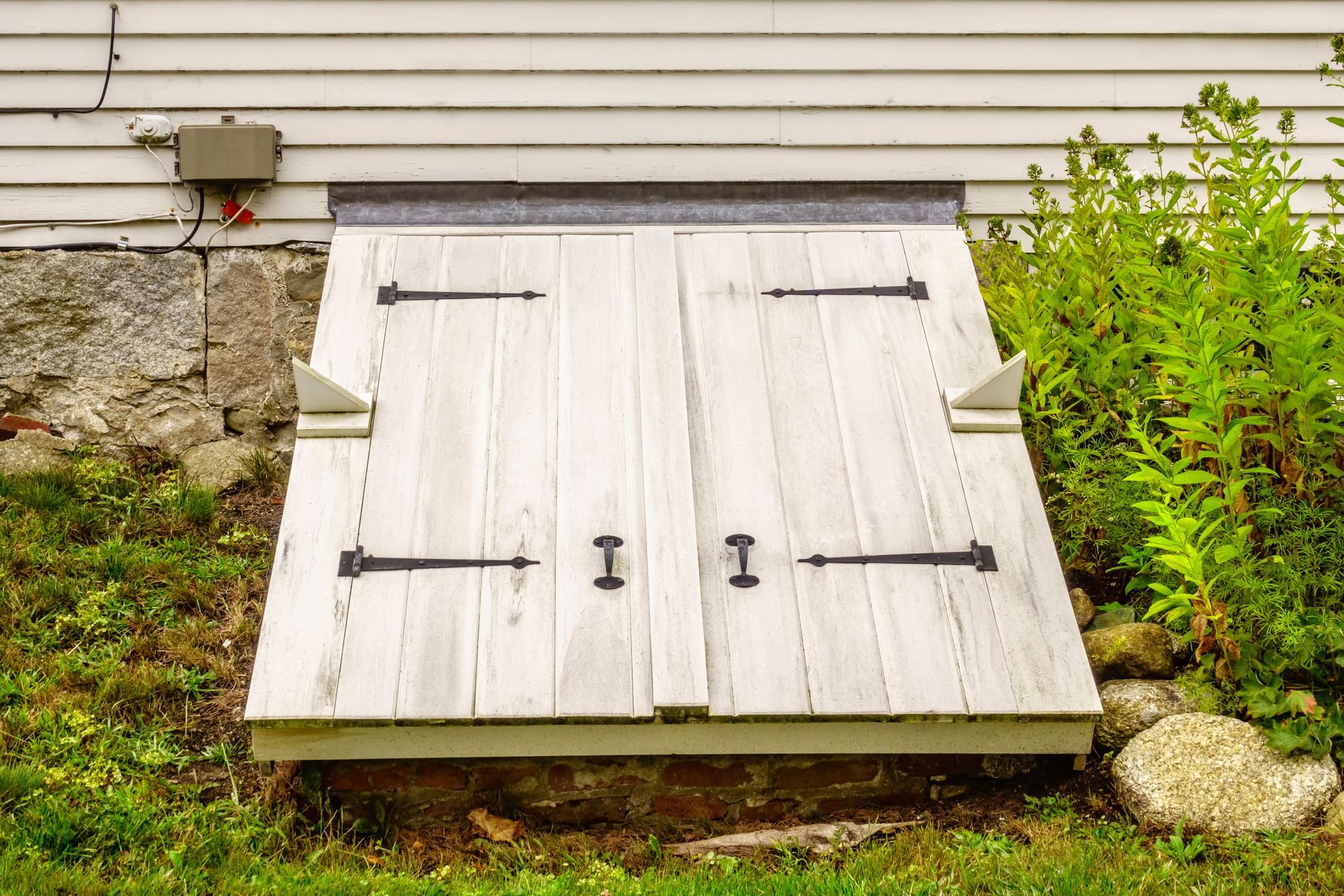
The effective use of a safe room or storm shelter can substantially decrease the risk of injury or death during a tornado. These facilities are constructed with reinforced materials capable of withstanding high winds and flying debris. Knowing the location of the nearest shelter and how to quickly reach it increases the odds of staying safe when a warning is issued. For homes with safe rooms, keeping the space clean and ready for rapid entry is crucial.
Responding quickly and efficiently to tornadoes is essential for minimizing damage and protecting lives. By understanding tornado behavior, enhancing warning systems, and educating the public on preparedness, individuals can better manage these dangerous storms. Having access to a storm shelter ensures that when every second counts, residents have a safe refuge to survive the tornado's impact. For a quality storm shelter you and your family can trust in any inclement weather, contact New Day Tornado Shelters.