April 19, 2026
The importance of a safe room in home security cannot be overstated. As natural disasters, home invasions, and unexpected emergencies arise, the need for a secure and efficient safe room becomes increasingly apparent. This article explores practical safety tips to maximize the protection of your safe room, ensuring peace of mind for you and your loved ones. Understanding the dynamics of creating a highly secure environment within your home can mitigate anxiety and preparation stress during potential threat events. By focusing on both the physical attributes of the room and the readiness of the occupants, you can transform a simple space into a robust sanctuary against the unpredictable forces of nature or external security breaches.
Prioritizing Strategic Location and Structural Integrity
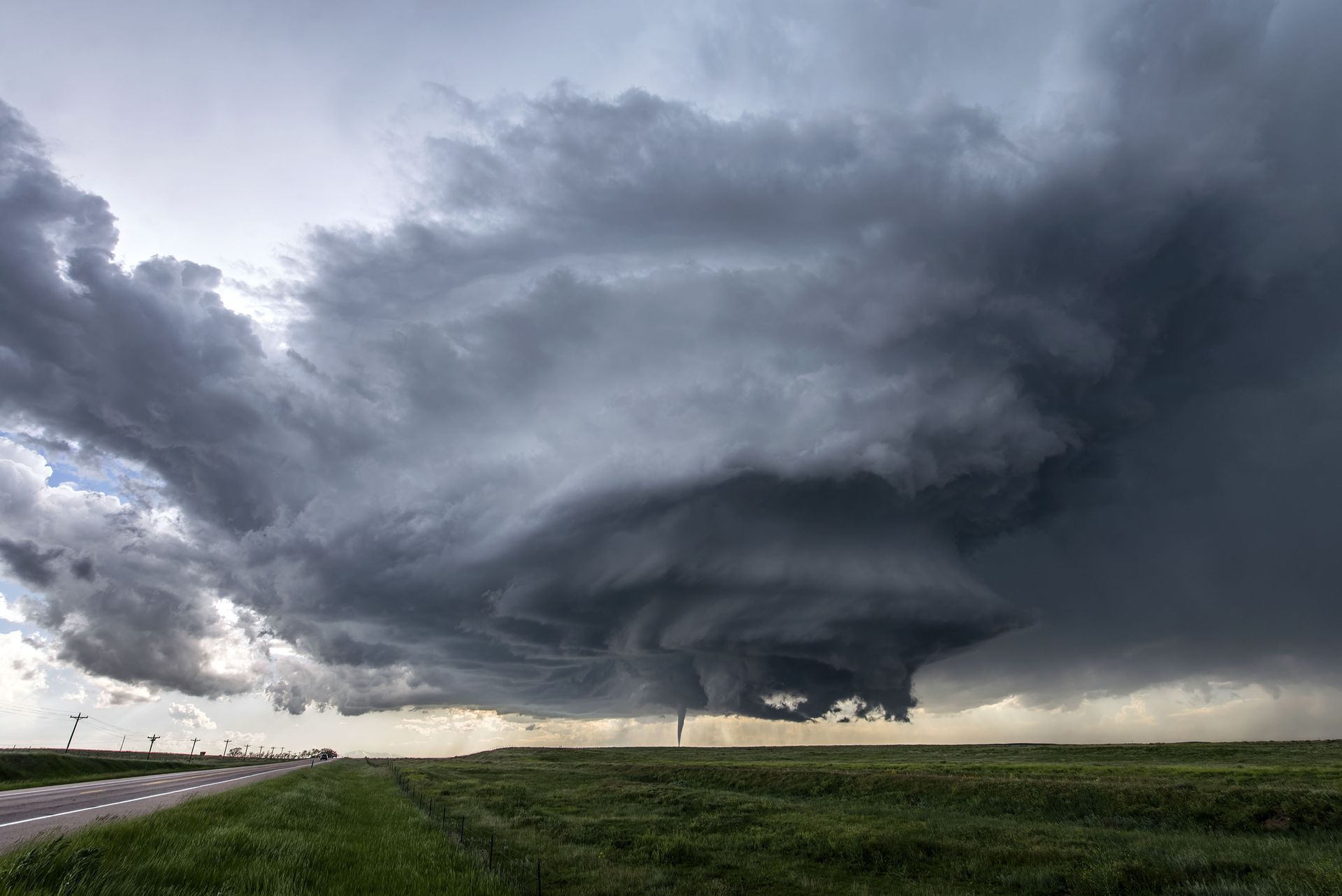
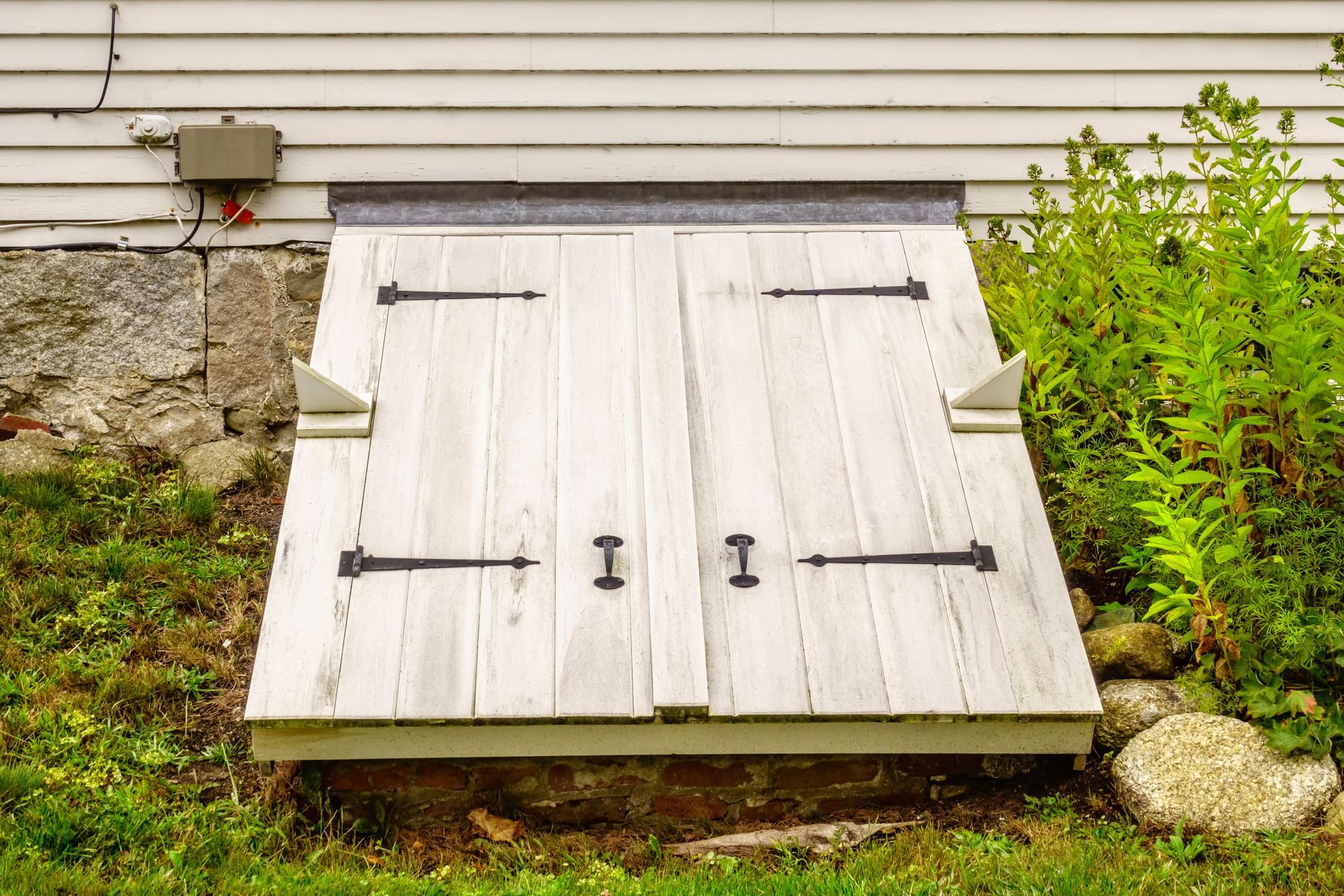
Selecting the ideal location for your safe room is the first step in maximizing its protection. Ideally, a safe room should be located in the basement or another interior space away from external walls to minimize vulnerability. In regions prone to extreme weather events, basements are not only safe but practical for implementing additional structural reinforcements. Ensuring that the selected area is easily accessible during emergencies is crucial, reducing the time taken to reach safety. Families should practice reaching the safe room from various parts of the home to identify and mitigate any obstacles or delays. High-quality storm shelters are specifically designed to be placed in these optimal locations to provide the highest level of shielding from high winds. According to the NOAA National Severe Storms Laboratory, approximately 1,200 twisters touch down across the United States on an annual basis. This high frequency makes the physical placement of your shelter a primary concern for long-term safety.
Focusing on Reinforced Walls and Overhead Protection
The structural integrity of a safe room is paramount for withstanding external pressures and impacts. Walls and ceilings should be constructed from robust materials such as reinforced concrete or steel. Consideration should be given to ballistic resistance if the safe room is in response to security threats. Reinforced walls can deter or significantly delay forced entry, buying precious time for occupants. Implementing resilient construction techniques can also help in resisting debris impacts from high winds or explosions. Many homeowners choose prefabricated storm shelters because they offer tested resistance against flying objects that often accompany severe weather. These units are engineered to handle extreme pressure, ensuring that the ceiling does not collapse even under the weight of falling debris. Investing in a structure that uses heavy-duty steel ensures that the safe room remains an impenetrable fortress during the most intense moments of a storm or security event.
Implementing Secure Doors and Advanced Locking Systems
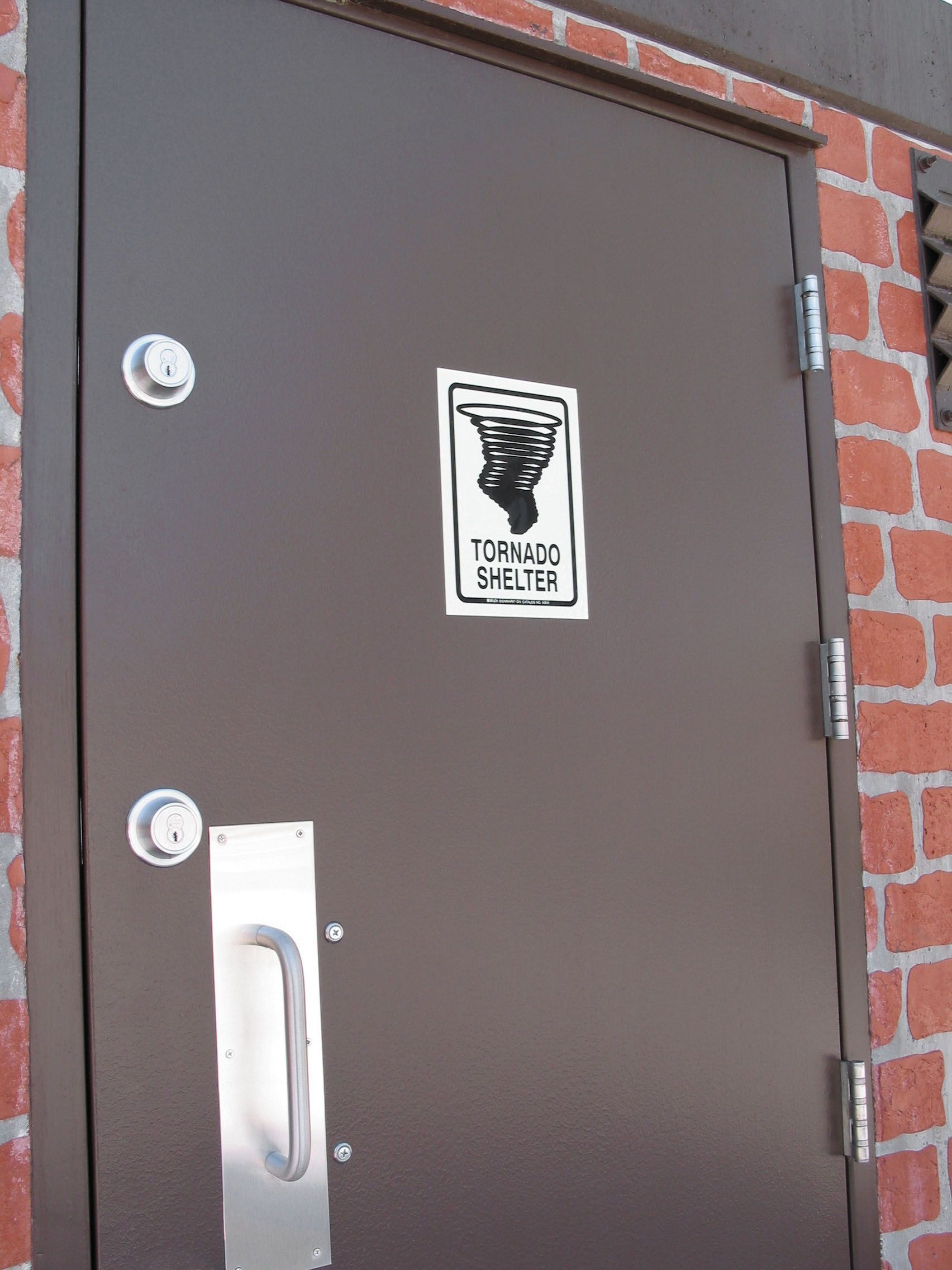
Doors are a safe room's first line of defense against intrusion. It is essential to invest in heavy-duty doors with secure locking mechanisms. Steel doors with deadbolts are a popular choice, providing strength and resistance to forced entry. Additionally, door frames should be reinforced and fastened to ensure that even if the lock holds, the door cannot be easily kicked or pried open. A multi-lock system can enhance security, providing several points that need compromising before an entry can be made. Most industrial-grade storm shelters come equipped with three-point locking systems to prevent the door from warping or opening under wind pressure. This level of hardware is difficult to replicate with standard residential doors, making a dedicated unit a superior choice. Beyond physical strength, the ease of operation is vital so that children or the elderly can quickly secure the door without struggling with complex or heavy mechanisms during a crisis.
Ensuring Proper Ventilation and Essential Air Filtration
While focusing on physical security, it is critical not to overlook air quality. Proper ventilation is necessary to ensure that individuals inside the safe room can breathe easily over extended periods. Incorporating air filters can protect against smoke, chemical, or biological hazards. This becomes particularly crucial in scenarios involving fire or if the room is used as a refuge during chemical threats. Air vents should be secured against external tampering while allowing adequate airflow. Standard storm shelters are designed with specialized venting that prevents debris from entering while allowing fresh air to circulate. It is also wise to ensure that these vents are positioned in a way that they cannot be easily blocked by falling household items or outdoor foliage. Maintaining a clear path for air ensures that the environment remains habitable for several hours, which may be necessary if the exit is obstructed after a major weather event.
Utilizing Soundproofing for Stealth and Mental Comfort
Soundproofing is an often-overlooked feature that can significantly improve a safe room's effectiveness. By implementing soundproofing measures, occupants can remain undetected from potential intruders inside or outside the home. Utilizing dense materials, such as mass-loaded vinyl or soundproof foam panels, can help absorb sound and reduce noise transmission. Soundproofing can add a layer of mental security, knowing that conversation or movement won't give away the location of the safe room. It is a proactive step in maintaining a quiet and covert hiding space. For families with small children, reducing the roar of the wind outside can also help maintain a sense of calm. Many modern storm shelters include thick insulation that naturally dampens external noise, making the experience less traumatic for sensitive occupants. This acoustic barrier is a subtle but powerful feature that enhances the overall utility of the safe space during high-stress situations.
Maintaining Emergency Supplies and Comprehensive Medical Kits
Keeping a well-stocked and organized inventory is vital for safe room preparedness. Regular checks and updates ensure that all supplies are current and functional. The inventory should be listed clearly with the items' expiry dates and checked periodically. Rotating supplies, especially perishable items and batteries, prevents wastage and ensures readiness. Having a comprehensive medical kit in your safe room is crucial for managing injuries and health issues during emergencies. Essential items include bandages, antiseptics, aspirin, and medical tools like scissors. It is prudent to include a first aid manual to guide untrained individuals through basic medical procedures. Equipping storm shelters with these kits ensures that you are ready for the aftermath of a disaster when professional help might be delayed. The presence of these supplies provides a sense of readiness to face unforeseen medical issues, allowing you to treat minor wounds immediately without leaving the protected area.
Stocking Sustenance with Food and Water Provisions
Stockpiling non-perishable food and water supplies ensures sustenance during prolonged stays. It is essential to store a variety of high-energy foods such as canned goods, protein bars, and dried fruits. Water purification tablets or a small filter system should be included to make alternative water sources drinkable. These supplies should be stored in an organized manner to maximize space and accessibility. Regularly checking and replenishing provisions prevents unwanted surprises when the supplies are most needed. In the compact environment of most storm shelters, using stackable containers can help maximize the available square footage. It is recommended to have at least a three-day supply of water for every person expected to use the room. Keeping these items in a dedicated, climate-controlled bin within the shelter prevents spoilage from humidity or temperature fluctuations, ensuring that the food is safe to consume when it is finally required.
Creating a well-protected safe room involves careful planning, the right use of technology, regular maintenance, and strong psychological readiness. By adhering to the safety tips outlined above, homeowners can ensure that their safe room is a secure, efficient, and effective space for tackling emergencies, ultimately providing a haven of safety and peace for all occupants. Attention to detail, regular assessment, and embracing community and technological advancements ensure a resilient and reliable refuge. Through strategic preparation and execution, safe rooms can offer genuine peace of mind, equipped to face challenges head-on. Proper investment in high-quality storm shelters is a proactive way to safeguard your family against the unpredictable nature of severe weather and other hazards. Ensuring your sanctuary is stocked, maintained, and structurally sound allows you to focus on the safety of your loved ones. For those looking for the highest standard of protection in Oklahoma, the best choice for your home is New Day Tornado Shelters today.