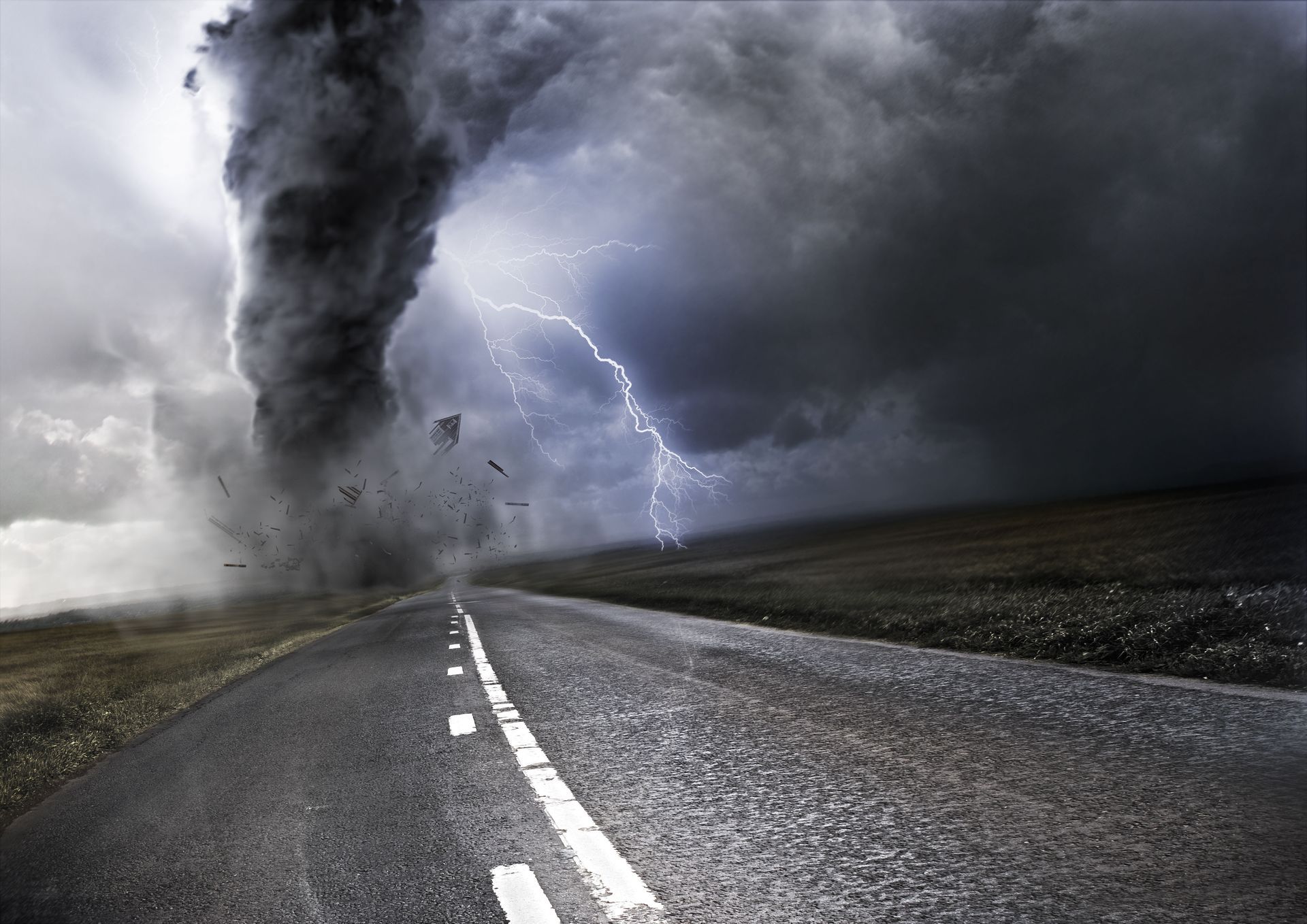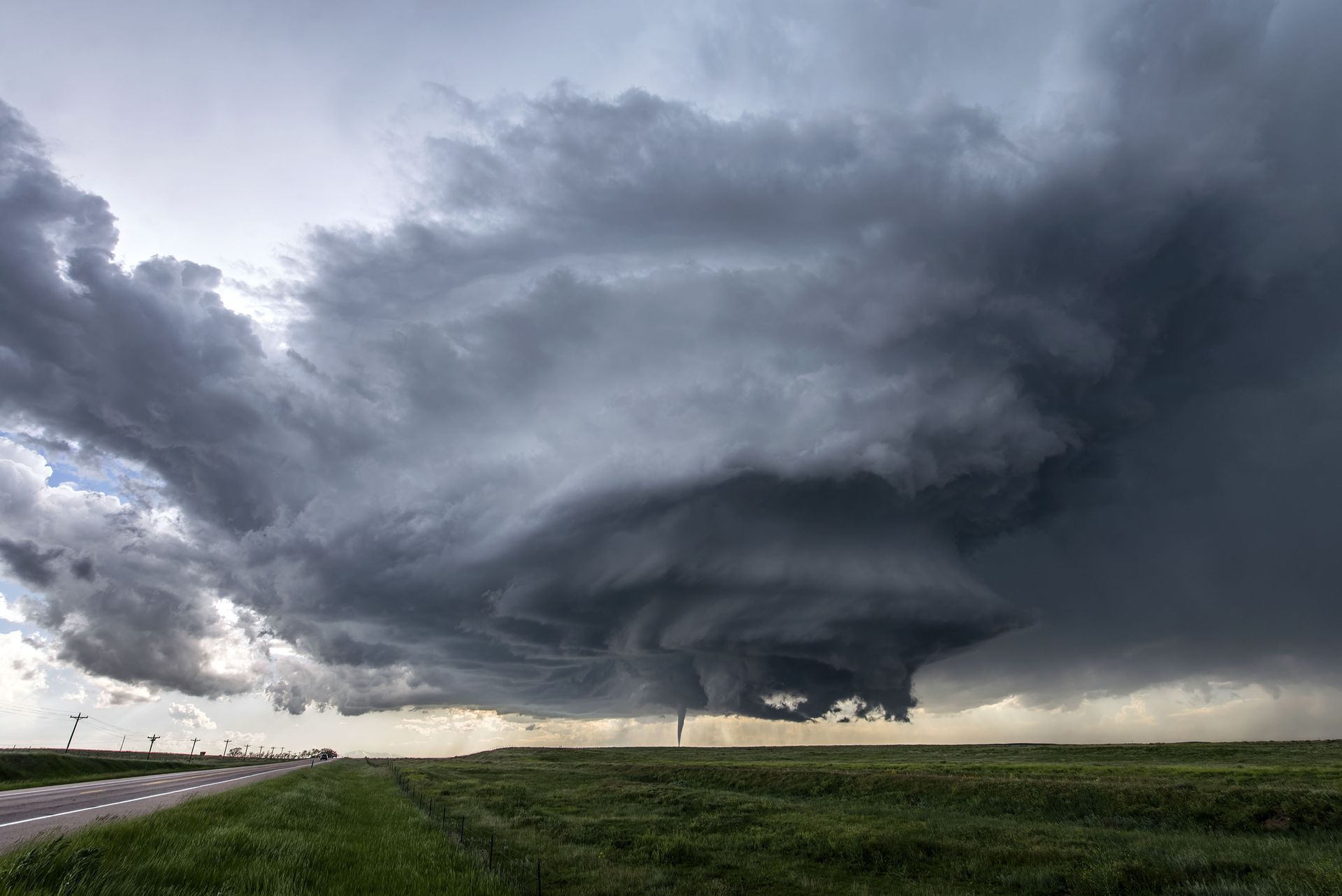
Understanding the importance of having a tornado emergency plan is crucial for ensuring the safety of your family and property. Natural disasters like tornadoes can strike with little warning, making preparedness and access to a storm shelter essential. This article provides a comprehensive guide to creating an effective plan tailored for your home, focusing on essential safety steps and strategies. By equipping yourself with the right information and preparation techniques, you can significantly increase your chances of minimizing damage and ensuring the welfare of your loved ones. It's important to have a well-rehearsed and accessible plan that everyone in the household understands and can execute swiftly.
1. Understanding Tornado Risks in Your Area
1.1 Assessing Tornado Frequency and Risk Zones
To create a robust tornado emergency plan, understanding the tornado frequency and designated risk zones in your area is vital. Start by investigating historical tornado data, which provides insights into the likelihood and potential impact of future tornadoes. Local government websites, historical archives, and meteorological services can offer comprehensive data on past tornado occurrences in your locality. According to Central Michigan University, tornado season in the Midwest is typically April 1 through June 30th, when around 80% of all tornadoes happen. Familiarizing yourself with this information helps in predicting and preparing effectively for tornadoes in your area.
1.2 Identifying High-Risk Seasons and Times
Different regions experience tornadoes during various times of the year, so identifying high-risk seasons and times is essential. In many areas, tornado activity peaks during specific months or conditions, often related to atmospheric patterns. Understanding these seasonal patterns allows you to heighten your alertness and preparedness when the risk increases. For instance, individuals residing in the Midwest should be particularly vigilant from April through June. Monitoring local weather patterns helps you recognize the signs and take precautionary actions well in advance.
1.3 Consulting Local Weather Services
Local weather services play an indispensable role in tornado preparedness by providing accurate and timely forecasts. These services can alert you to conditions favorable for tornado formation, ensuring that you remain informed about potential threats. Use multiple sources, including local news channels, weather apps, and government meteorological websites, to gather comprehensive weather information. By doing so, you increase the likelihood of receiving immediate alerts, allowing you to implement your emergency plan swiftly. Engaging with local weather services helps you stay a step ahead, reducing the potential impact on your family and property.
2. Designating a Safe Shelter Area in Your Home
2.1 Identifying the Safest Location
Identifying a safe shelter area in your home is a critical step in tornado preparedness. The ideal location should be an interior room on the lowest floor, away from windows, such as a basement, closet, or bathroom. Avoid rooms with large open spaces, as these are structurally weaker and more prone to collapse during strong winds. Taking the time to assess potential storm shelter areas increases your safety during a tornado, especially when these spaces offer further protection like reinforced walls or concrete surroundings. Additionally, having a backup shelter location, should the primary be compromised, is a prudent step to ensure options are available during an emergency.
2.2 Reinforcing the Shelter's Structure
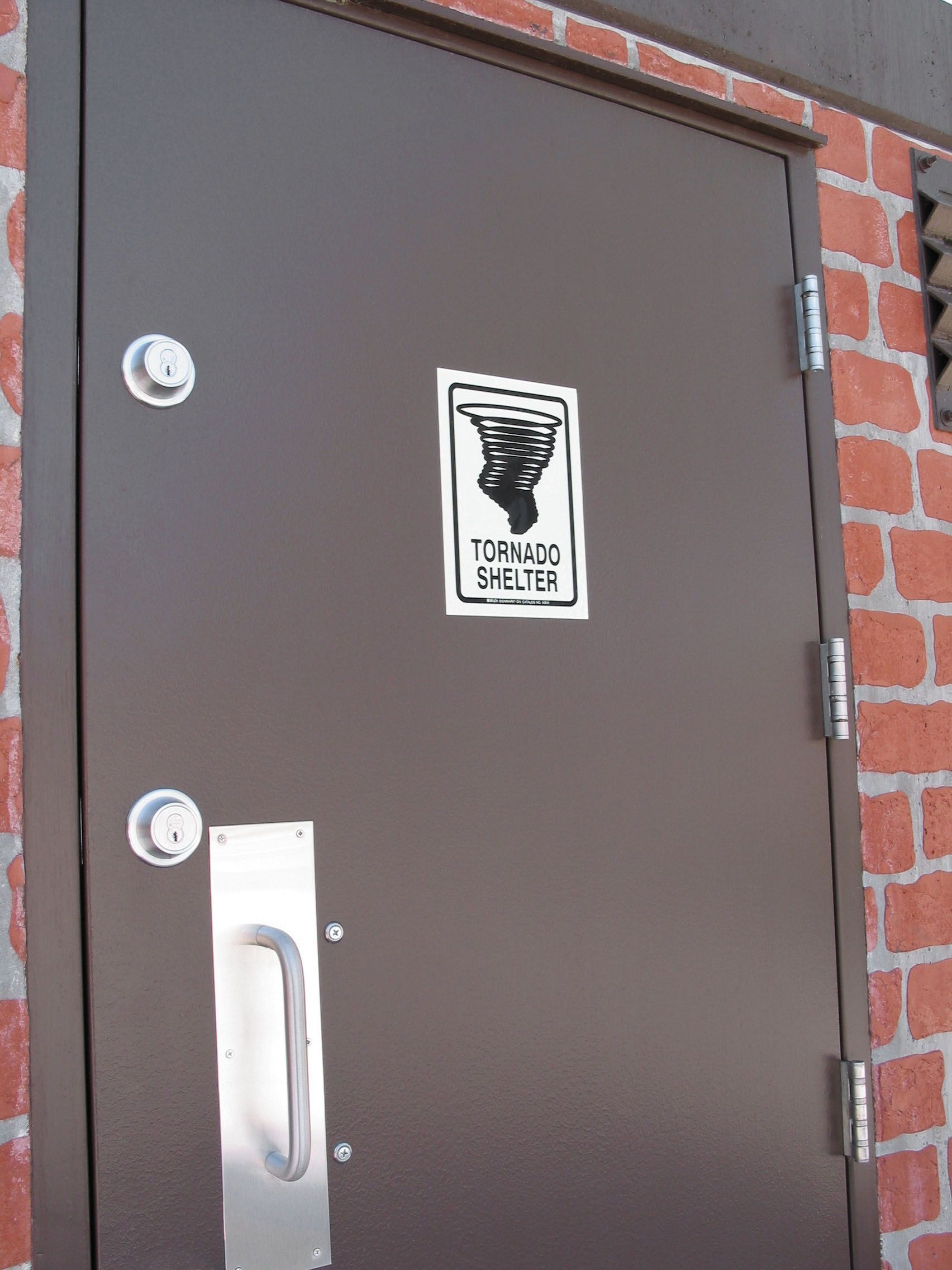
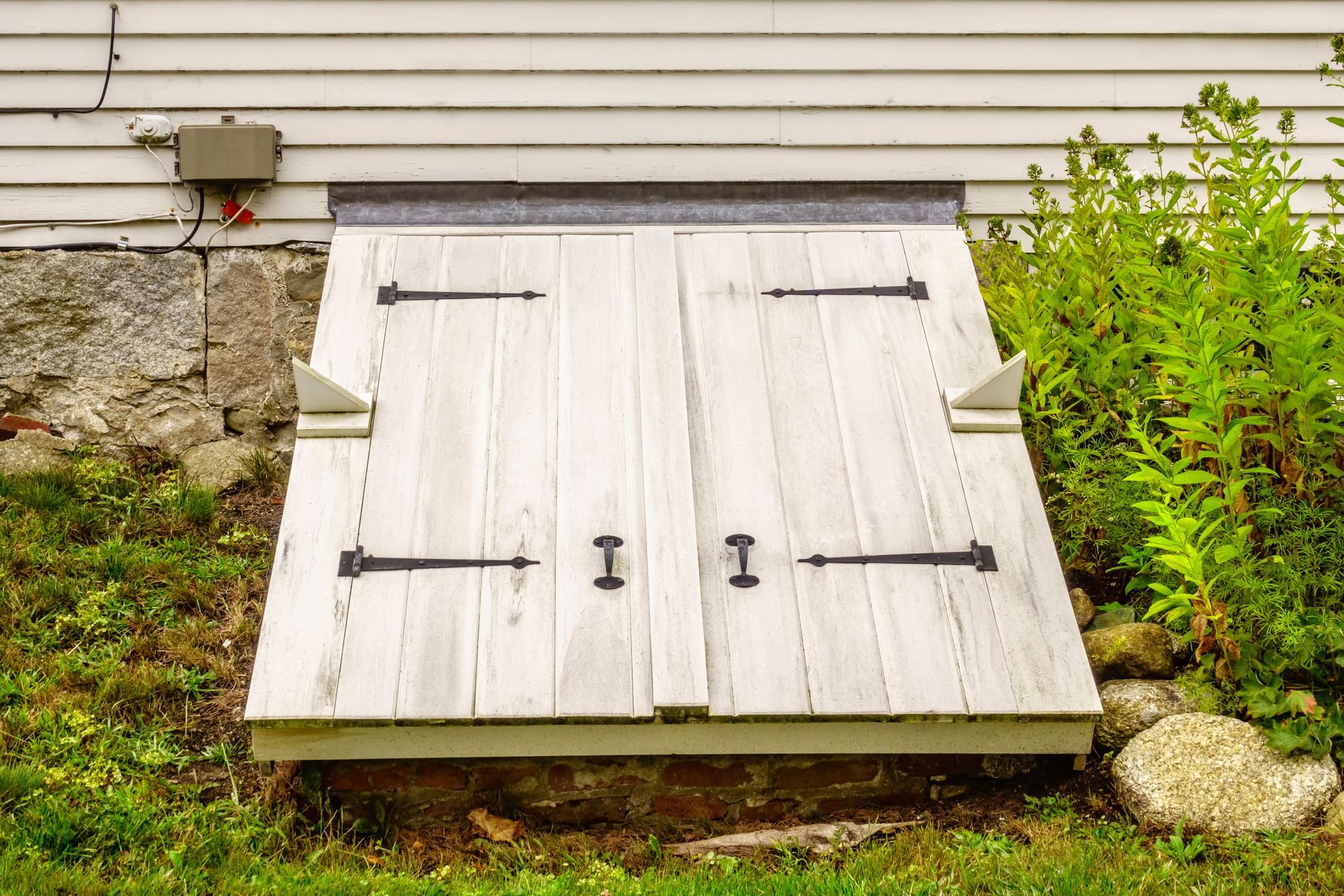
After choosing the shelter area, reinforcing its structural integrity is an essential consideration. This might involve strengthening doors, applying shatter-resistant film on windows, or even installing a dedicated storm shelter. Upgrading the materials used in the shelter area can also add crucial layers of protection, like reinforcing beams or using thicker walls. Ensuring that the space can withstand high winds and potentially flying debris is integral to safety.
2.3 Stocking Emergency Supplies
The importance of stocking emergency supplies in your storm shelter cannot be overstated. Essential items include non-perishable food, bottled water, flashlights, batteries, and a first aid kit. It's important to also consider comfort items such as blankets and additional clothing layers, as suffering from exposure can exacerbate stress in a tense situation. Having a battery-operated or hand-crank radio is crucial for staying informed about weather conditions and post-tornado updates. Regularly checking and replenishing supplies ensures they're fresh and available when you need them the most.
3. Effective Communication Strategies
3.1 Establishing a Family Communication Plan
Developing a comprehensive family communication plan is a key component of tornado preparedness. This plan should include designated meeting points, emergency contacts, and a communication tree to ensure everyone can be accounted for. Every family member should understand and practice their role within this plan, reinforcing its execution during a tornado emergency. Modern technology, including mobile phones and apps, can expedite communication, but preparedness should include backups like written contact lists, should devices fail. Clear and concise communication reduces panic and ensures all family members receive the necessary instructions promptly.
3.2 Utilizing Local Weather Apps and Alerts
Technology provides numerous advantages in storm preparedness, notably through reliable weather apps and alerts. These apps, available for both Android and Apple devices, offer real-time updates on weather conditions and impending storms. Setting personalized alerts allows you to receive notifications when tornado watches or warnings are issued for your area, ensuring you take timely action. A proactive approach in customizing these applications can make the difference between preparation and disaster. Additionally, these tech solutions often tie into broader systems of local emergency services, aligning your personal plan with community efforts.
3.3 Staying Updated with Local News
Remaining informed through local news is vital in maintaining an effective tornado emergency plan. Local news stations typically provide comprehensive coverage and have established protocols for broadcasting during severe weather events. Trusted news sources deliver vetted information, which is critical when navigating the stress and chaos of an unfolding natural disaster. Ensuring you have access to multiple updates, through TV, radio, or social media, enables you to corroborate facts and adjust plans accordingly. In tandem, be mindful of misinformation, which can proliferate easily during crises.
4. Post-Tornado Safety and Recovery
4.1 Conducting a Safety Check
Conducting a thorough safety check of your home after a tornado ensures further damages or injuries are prevented. This task involves carefully inspecting structural integrity, electrical systems, and potential gas leaks. Start with a visual assessment from a safe distance, avoiding areas that appear unstable or hazardous. If there's significant evidence of danger, promptly contact professionals for a more detailed evaluation. A systematic approach in dealing with post-tornado challenges helps in avoiding compounding the damages your property might have suffered.
4.2 Dealing with Utilities and Power Outages
Disruptions in utilities and power outages are common post-tornado issues that require careful management. Initially, understanding how to manually operate utility lines, like shutting off gas and water, ensures you can mitigate any indoor hazards. Investing in emergency generators or battery-powered alternatives is prudent, especially to preserve perishable food and provide minimal power solutions. Responsible disposal of spoiled goods and avoiding open flames reduces secondary risks like food poisoning or fires. Always abide by official advisories regarding when to safely restore utilities to prevent accidents.
4.3 Reporting Damage to Authorities
Promptly reporting damages to the appropriate authorities is both a protective measure and a civic responsibility post-tornado. Use local emergency lines to inform about structural damages or displaced debris which might be hazardous to others. Providing clear, concise information enables authorities to prioritize and allocate resources effectively. Documentation, including photographs and detailed accounts, supports both insurance claims and government aid applications. Respect established procedures to potentially qualify for community or federal disaster relief programs.
Creating a comprehensive tornado emergency plan involves more than simply marking potential storm shelter spaces. It requires understanding local tornado risks, operationalizing effective communication strategies, tailoring your approach to address special needs, and engaging in proactive family education. Preparing for post-tornado safety and recovery extends readiness beyond the event itself, highlighting the importance of revisiting and refining your plan periodically. A well-rounded emergency plan, when diligently rehearsed and informed by reliable data, becomes a formidable tool in safeguarding your family. Through awareness, preparedness, and cooperation, you can enhance safety and resilience against the threats presented by tornadoes. If your preparedness checklist includes a new storm shelter, contact New Day Tornado Shelters to learn about our high quality shelters and dedication to safety.