July 24, 2026
Severe weather can develop quickly, leaving homeowners with limited time to find protection when dangerous conditions approach. Tornadoes, hurricanes, and powerful storms can create intense winds and send debris through the air at high speeds. Because of these risks, many property owners are interested in protective structures designed to provide a secure place during severe weather events. Above-ground tornado shelters are engineered with specialized materials and construction methods intended to withstand significant impact forces. Their design focuses on more than simply creating a strong room, as every component can contribute to the shelter's overall performance. Understanding what makes these structures impact-resistant can help homeowners make informed decisions about storm protection. From reinforced walls to secure doors, several features work together to create a protective environment when severe weather threatens.
Understanding Impact-Resistant Construction
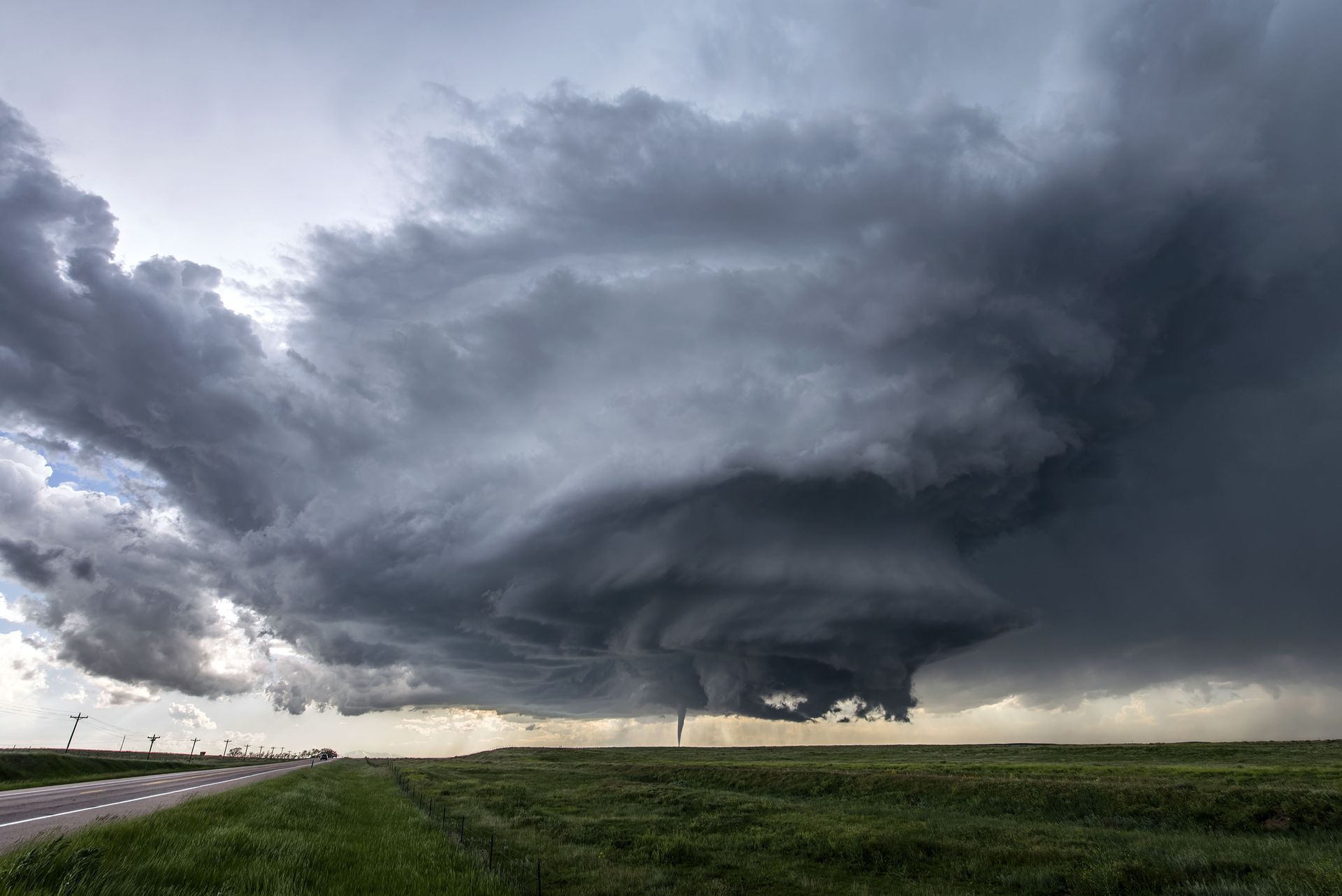
Impact resistance refers to a structure's ability to withstand force from objects that strike it during severe weather. Tornadoes can turn branches, roofing materials, outdoor furniture, and other objects into dangerous airborne debris. A shelter must be designed to help prevent these objects from penetrating the protected space. Above ground tornado shelters are built with materials and structural systems that can help withstand substantial impacts. The strength of the walls, roof, door, and connection points all contribute to the overall design. A weakness in one component could affect how the structure performs during a major storm. For this reason, professionally designed shelters consider the entire system rather than focusing on one individual material. A properly constructed shelter can provide homeowners with a dedicated area designed specifically for severe weather protection.
Reinforcing the Protective Walls
The walls of a storm shelter serve as one of its primary protective barriers. Reinforced construction can help the structure resist impacts that could damage ordinary residential walls. Depending on the design, shelters may use specialized concrete, steel, or other strong materials to create a durable enclosure. The thickness and configuration of these materials can affect how the shelter responds to outside forces. Strong walls are particularly important because debris can strike from different directions during a tornado or severe wind event. Above ground tornado shelters are designed to provide a protective barrier that is separate from many conventional parts of a home. Their reinforced construction can help create a more secure interior space during dangerous conditions. Homeowners should discuss materials and construction methods with a qualified shelter provider before selecting a structure.
Strengthening the Structure With Steel
Steel is commonly used in storm shelter construction because of its strength and ability to support reinforced structural systems. It can help create a rigid framework capable of handling significant forces when properly designed and installed. Steel components may be incorporated into walls, doors, frames, and other parts of the shelter. These components must work together to support the structure rather than functioning as isolated pieces. The quality of the steel and the way it is assembled can influence the shelter's overall performance. Above ground tornado shelters may use steel reinforcement to help create a strong enclosure that can resist certain severe weather impacts. Proper engineering is important because simply adding metal to a structure does not automatically make it storm-resistant. Professional installation helps ensure that the materials are used as part of a complete protective design.
Securing the Entry Door
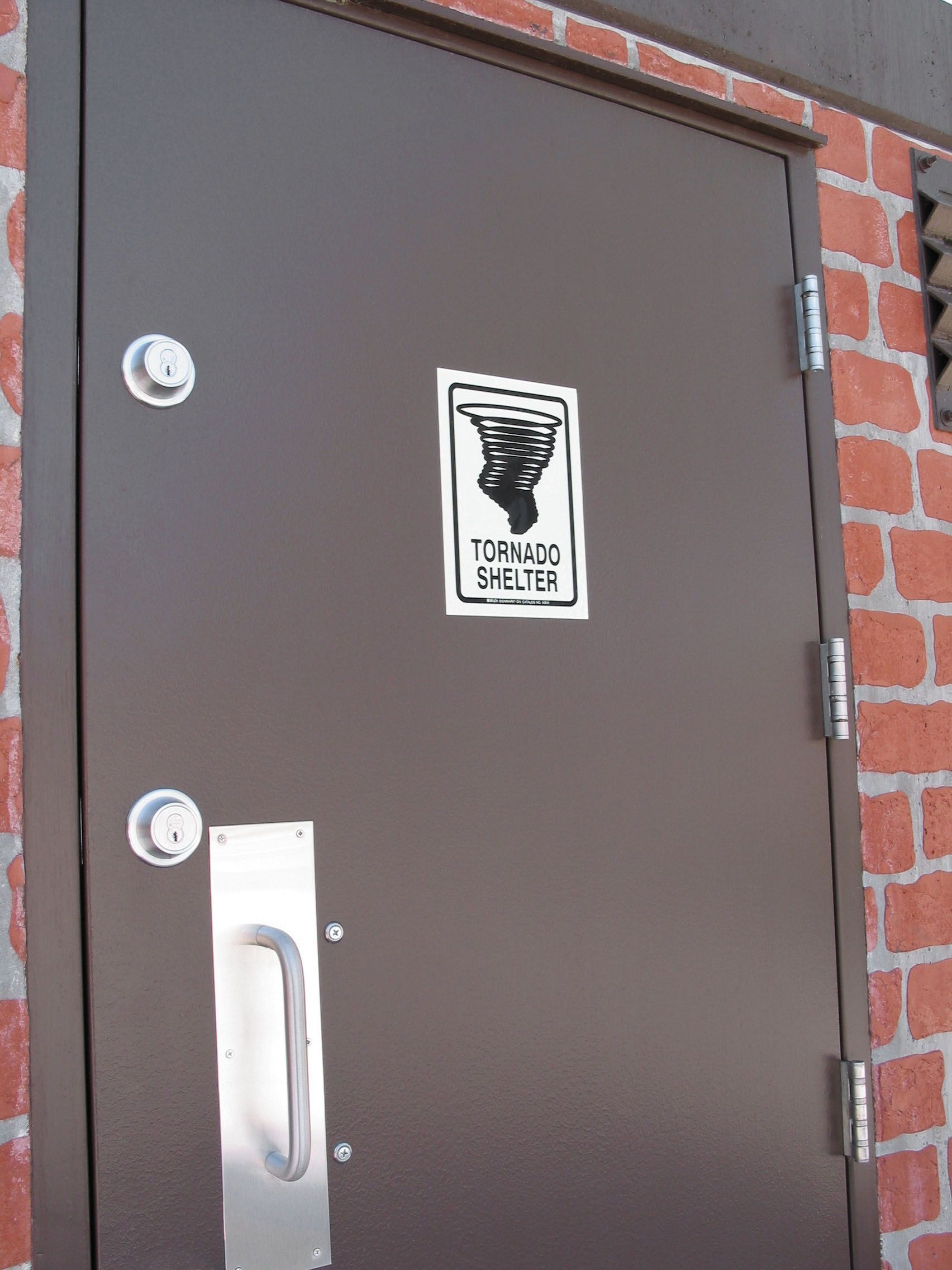
A shelter's door is an important part of its overall protective system. Even exceptionally strong walls cannot provide complete protection if the entry door is not designed to withstand severe conditions. Storm shelter doors are typically built with strong materials, reinforced frames and secure locking systems. These features help create a barrier between the protected interior and dangerous conditions outside. The door must also be installed correctly so it remains connected to the shelter during powerful impacts. Above ground tornado shelters often include specialized doors designed to complement the strength of the surrounding structure. Homeowners should ask about door construction, hinges, locking mechanisms, and frame connections when evaluating a shelter. A strong and properly installed door can help support the integrity of the entire protective space.
Stabilizing the Shelter With Anchoring
A shelter's connection to the ground can influence how well it performs during powerful wind events. Strong winds can create forces capable of shifting, lifting, or damaging structures that are not properly secured. Anchoring systems help connect the shelter to a stable foundation or prepared installation surface. The design of the anchoring system depends on the shelter type, location, soil conditions, and construction requirements. Professional installation is important because the shelter must be secured according to the specific conditions of the property. Above ground tornado shelters rely on proper anchoring to help maintain their position during severe weather. A shelter that is strong but improperly secured may not perform as intended during extreme conditions. Homeowners should discuss installation requirements and foundation connections with the shelter provider before construction begins.
Managing Forces Through Structural Design
Impact-resistant construction involves more than simply using heavy materials. The shape, connections, reinforcement, and arrangement of structural components can all affect how forces move through the shelter. Engineers and manufacturers consider how the structure may respond when debris strikes its walls or roof. A well-designed shelter can distribute forces across multiple components rather than concentrating stress in one vulnerable area. This approach can help improve the overall strength and durability of the enclosure. Above ground tornado shelters are designed with structural considerations that support their role as dedicated storm protection spaces. Every part of the structure should work together to create a cohesive protective system. Professional design and construction can help ensure that the shelter's materials and components function as intended.
Protecting Occupants From Falling Debris
The roof of a storm shelter must be considered carefully because severe weather can send debris from above. Roofing materials, branches, and other objects may strike the top of a structure during a tornado or hurricane. A reinforced shelter roof can help create a protective barrier between occupants and these hazards. The roof must be connected securely to the walls so the entire enclosure functions as one structure. Above ground tornado shelters may feature specially designed roofs intended to withstand significant impact forces. The design can vary depending on the shelter's construction and the standards used during manufacturing and installation. Homeowners should ask how the roof is reinforced and connected to the rest of the shelter. Understanding the complete structure can help property owners evaluate the level of protection a shelter is designed to provide.
Preparing for Regional Weather Risks
Weather patterns and regional risks can influence the type of storm protection homeowners consider. According to Verified Market Reports, the U.S. has averaged approximately 12 named storms and six hurricanes each year over the past decade. This pattern highlights the importance of preparing for severe weather risks that can affect different regions. Tornadoes can also occur in many areas and may develop with limited warning. Above ground tornado shelters can provide a designated space for homeowners who want a dedicated option for severe weather emergencies. The specific design should account for the property's location, available space, and the types of weather risks common in the area. A professional shelter provider can help homeowners understand the features that may be appropriate for their circumstances. Planning before a storm develops gives families more time to select and install a protective structure.
Impact-resistant storm shelters are designed with multiple protective features that work together to create a strong and secure enclosure. Reinforced walls, durable doors, secure anchoring systems, strong roofs, and careful installation all contribute to the structure's performance. Homeowners should consider these features when evaluating options for severe weather protection. New Day Tornado Shelters can help property owners explore shelter solutions designed to provide a dedicated place for protection during dangerous storms. Our team can discuss your property, answer questions about installation, and help you understand the features available for your needs. Contact New Day Tornado Shelters today to learn more about creating a dependable storm protection solution for your home.