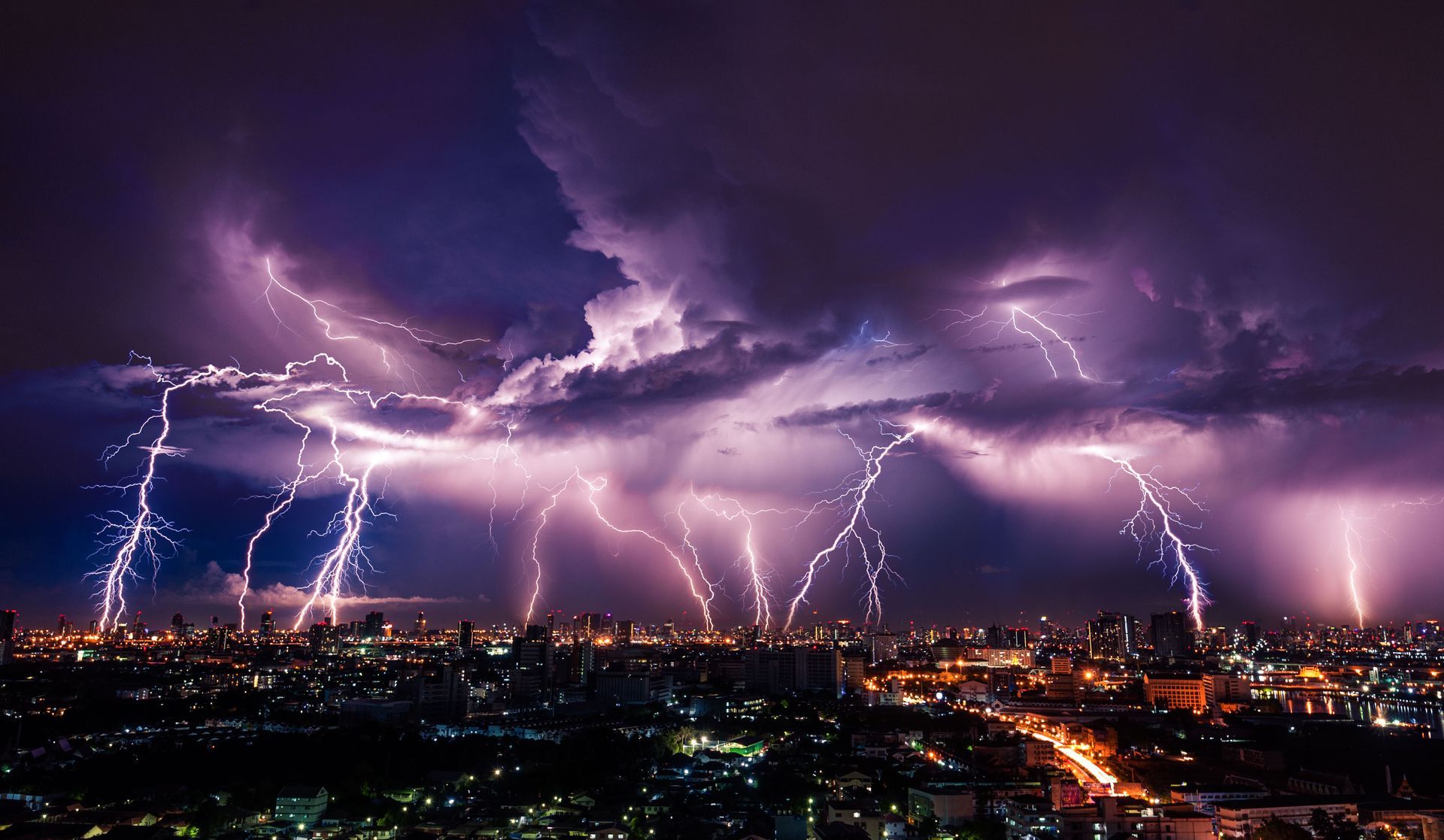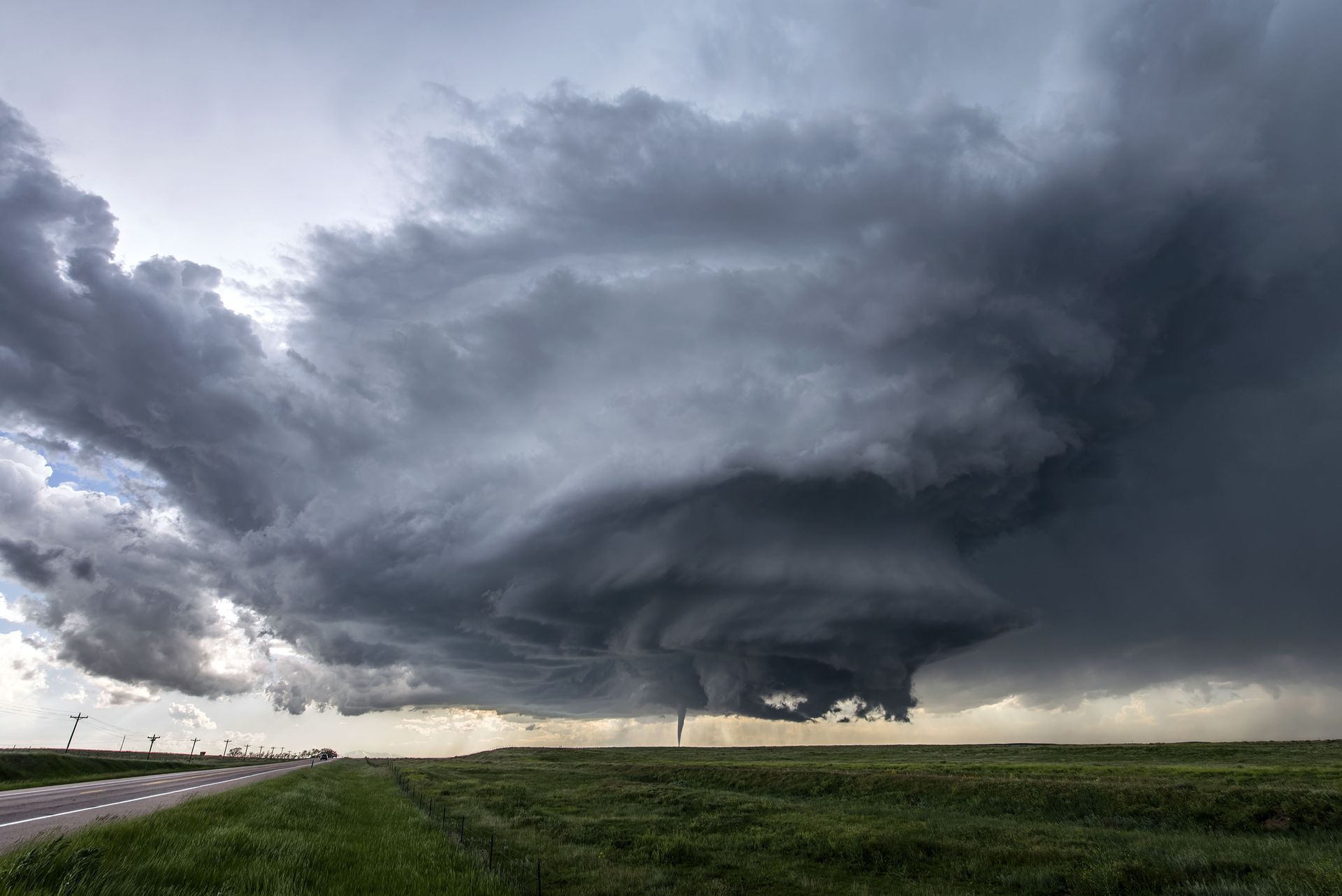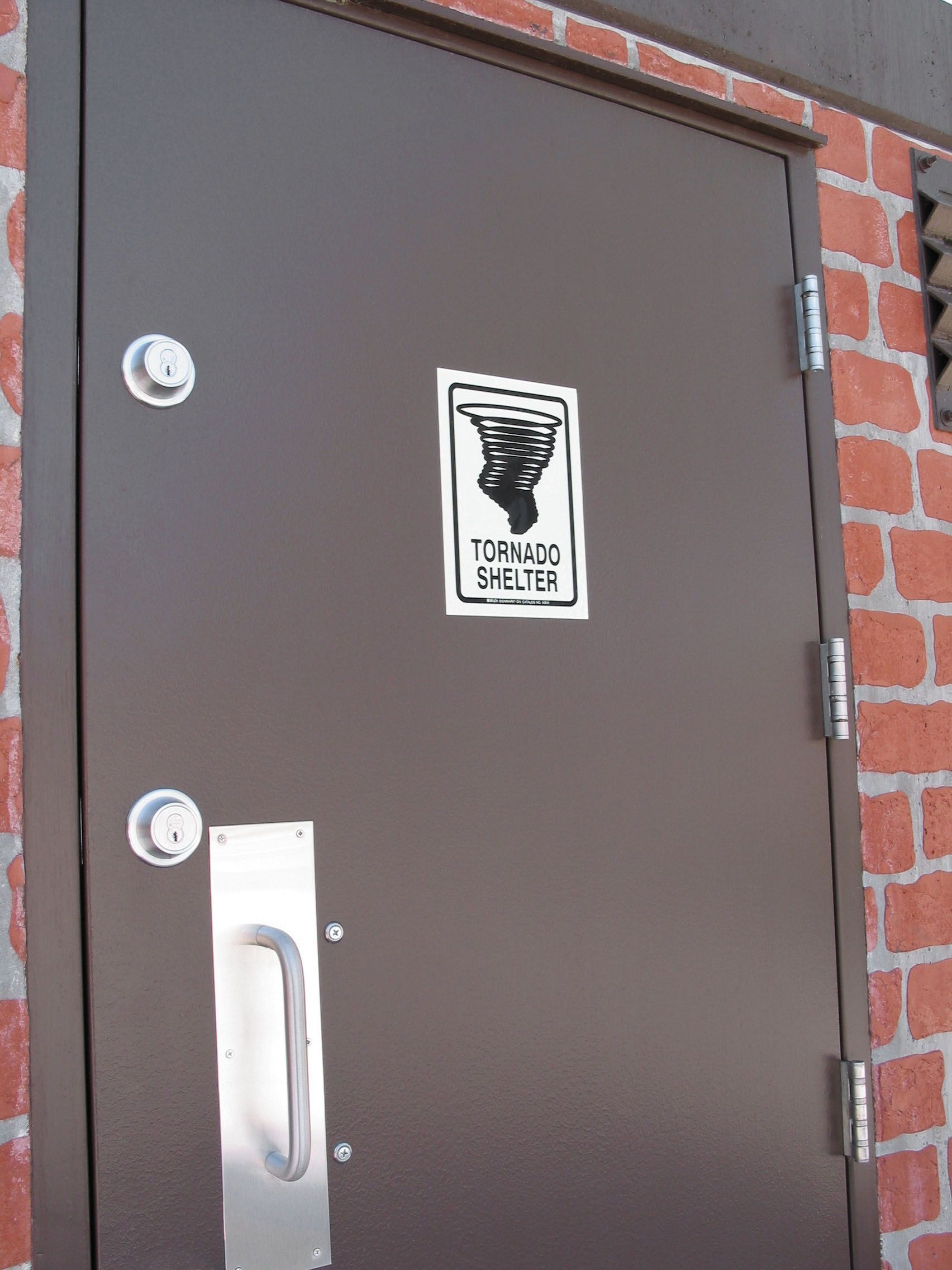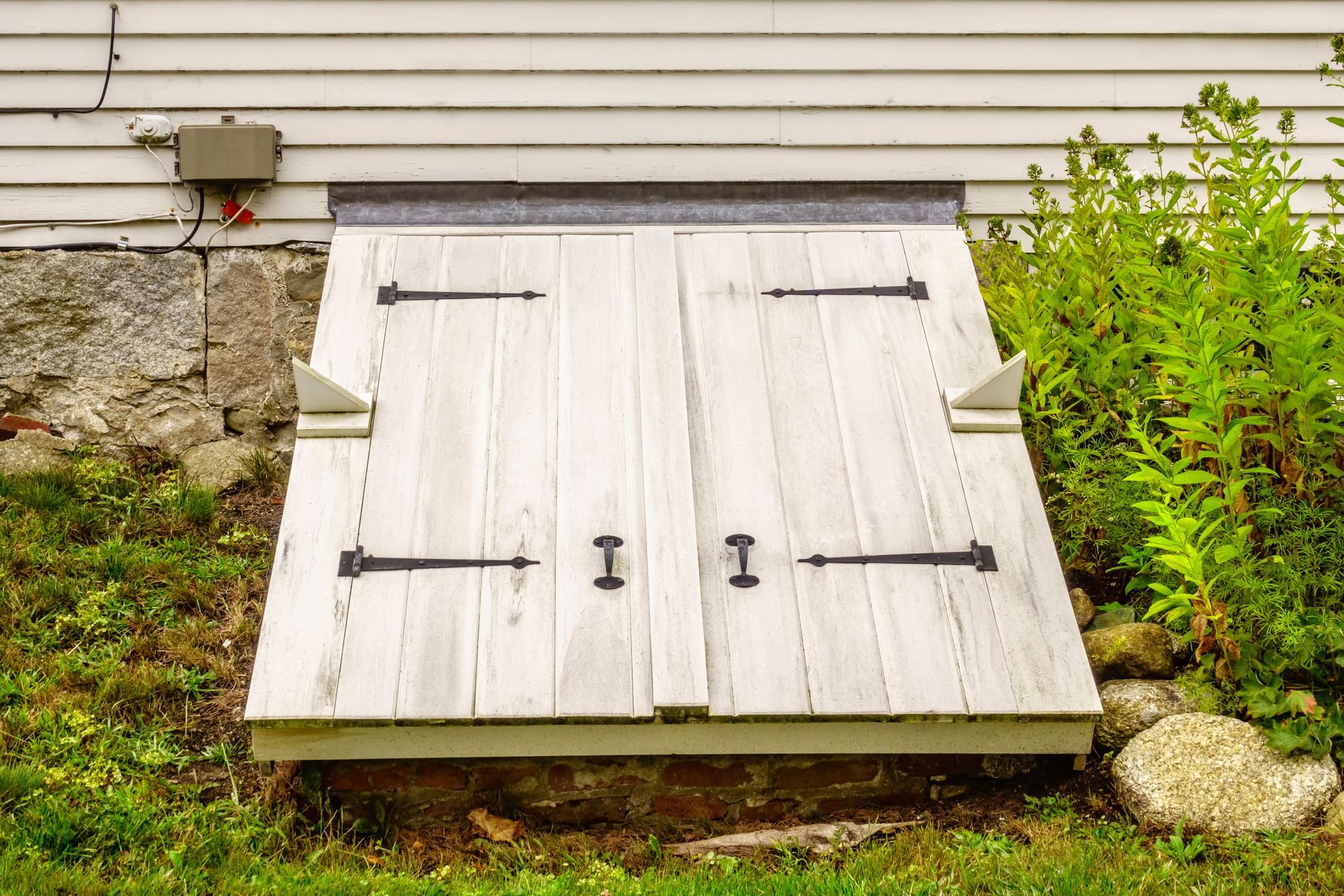
Severe weather can develop quickly, and families in tornado-prone or storm-prone areas need a dependable plan before warnings appear. A quality storm shelter gives people a designated place to go when high winds, flying debris, and dangerous conditions make the rest of the property unsafe. Because storm shelters are long-term safety investments, homeowners should know which details matter most before making a decision. The best choice balances protection with everyday usability, so it can serve its purpose without becoming difficult to access or maintain.
Look for Strong, Purpose-Built Construction
The most important quality in any storm shelter is its ability to provide protection when weather conditions become dangerous. A storm shelter should be engineered for high winds and debris, since these are among the greatest threats during tornadoes and severe storms. Durable construction, a secure door, reliable anchoring, and a design meant for storm conditions all contribute to the shelter's effectiveness. Homeowners should avoid choosing based only on size or appearance if the structure does not clearly support its safety purpose.
It is also helpful to look for a shelter design that makes sense for the space where it will be installed. Some shelters are made to fit compactly in garages, patios, or other accessible areas. A cylindrical or aerodynamic design can help maximize interior space while keeping the structure practical for residential use. The goal should be a shelter that is both robust and usable, not one that creates obstacles in daily life.
Prioritize Easy Access During Emergencies
A storm shelter is only useful if people can reach it quickly when severe weather is moving in. Homeowners should think carefully about how far the shelter will be from bedrooms, living spaces, or common areas. If the route requires navigating clutter, steps, narrow passages, or slippery outdoor areas, the shelter may be harder to use when time is limited. The right location should support fast movement, especially at night or during heavy rain.
Accessibility matters for every household, but it is especially important for families with children, older adults, or anyone with mobility challenges. A quality storm shelter should be easy to enter and exit without unnecessary strain. Features such as ground-level access, a manageable door, and enough room for occupants to sit safely can make a major difference.
Consider Above-Ground Protection
Above-ground storm shelters can be a practical option for many properties because they avoid some of the concerns associated with underground placement. Flooding can be a serious issue after heavy rain, and an above-ground model may help reduce worries about water entering a below-grade space. Above-ground placement can also support easier access for people who may struggle with stairs or tight underground entry points.
When reviewing shelter options, homeowners should ask how the shelter is installed and where it can be placed on the property. A shelter that can be positioned in a garage, on a patio, or in another convenient area may be easier to use during sudden weather alerts. The best placement should consider both safety and day-to-day convenience.
Think About Space and Interior Comfort
A storm shelter does not need to feel luxurious, but it should be comfortable enough for people to remain inside while dangerous weather passes. Interior space should accommodate the number of expected occupants without making people feel cramped or unsafe. Seating, ventilation, and room for essential items can all affect how usable the shelter feels during an emergency.
Comfort is also part of preparedness. If a household includes young children, older relatives, or pets, the shelter should feel manageable for everyone who may need to take cover. Homeowners may want to think about whether there is space for a phone, flashlight, water, medications, or other emergency supplies. These details help make the space more practical when stress levels are high.
Ask About Installation, Delivery, and Scheduling
Even a well-designed shelter needs proper installation to function as intended. Homeowners should ask whether delivery and installation are included, how scheduling works, and what the installation process requires from the property owner. Clear information upfront can prevent confusion and help families understand when their shelter will be ready for use.
Scheduling can also matter when severe weather season is approaching. According to Verified Market Reports, the United States has experienced an average of 12 named storms and six hurricanes annually over the last decade. While hurricanes are different from tornadoes, the statistic reinforces a broader point: severe weather preparedness should not be treated as a last-minute concern. A storm shelter should be selected, scheduled, and installed before the forecast becomes urgent.
Review Warranty Coverage and Long-Term Support
A quality storm shelter should come with clear warranty information. Warranty coverage can give homeowners confidence that the shelter is intended to provide long-term protection and that the provider stands behind the product. Before making a decision, ask what the warranty covers, how long it lasts, and what steps are required if service or support is needed later.
Long-term support is also worth considering because a storm shelter should remain ready year after year. Homeowners should ask whether the provider offers guidance after installation and whether questions can be answered if the shelter's condition, placement, or use changes over time. This support can help homeowners feel confident that their shelter remains part of their safety plan.
Look for Transparent Pricing and Estimates
Price should not be the only factor in choosing a storm shelter, but clear pricing is still important. Homeowners should know what is included in the quoted amount, such as installation, essential accessories, local delivery, or other standard components. A transparent estimate helps families compare options without being surprised by unclear add-ons or incomplete information.
It is also wise to ask whether discounts, financing, or payment policies are available. These details can make storm protection easier to plan for without reducing attention to safety and quality. A trustworthy provider should be able to explain the total cost, what the shelter includes, and how soon installation can usually be scheduled.
Choose a Shelter That Fits Your Property and Household
No two homes are exactly alike, so the right storm shelter should fit the property as well as the people who live there. A household with limited garage space may need a compact option, while another may prioritize placement near a main entrance or patio. The shelter should also match the number of occupants, access needs, and typical routines of the household.
Before choosing a shelter, homeowners should walk through their emergency plan. Think about who needs to reach the shelter, how quickly they can get there, what obstacles may be in the way, and whether the location will still be practical during rain, darkness, or high winds. A quality storm shelter should make the safety plan easier to follow, not more complicated.
Finding a quality storm shelter means looking beyond the basic idea of protection and evaluating how the shelter will work in real life. Strong construction, accessible placement, usable interior space, clear pricing, warranty coverage, and dependable installation all help determine whether a shelter is the right choice for a home or business. Turn to New Day Tornado Shelters for quality storm shelter options designed around safety, accessibility, durability, and practical installation for homes and businesses.