Tornadoes are among the most destructive natural disasters on Earth, capable of flattening entire neighborhoods in a matter of seconds. When an extreme storm threatens your community, having a reliable and well-engineered place of refuge is paramount for human survival. Understanding the precise architectural standards and structural components that make a space resilient can save your life when nature unleashes its full fury.
Understanding the Dynamics of High-Wind Impact
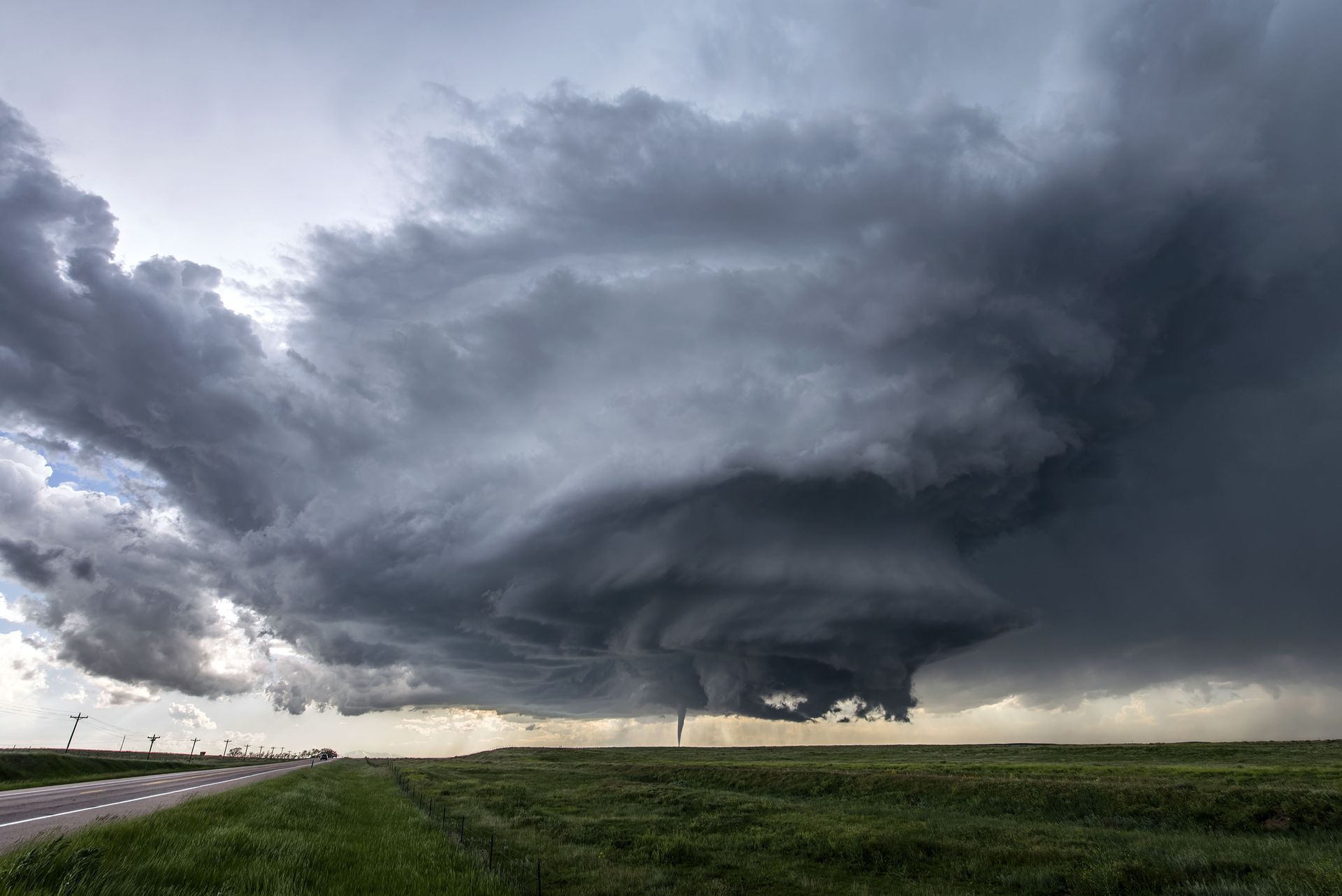
To design or select a structure capable of surviving a severe twister, one must secure professional expertise to navigate the extreme physical forces at play. Tornadoes generate immense atmospheric pressure differentials and violent aerodynamic lift that can easily rip roofs off standard residential homes. Additionally, the rotating column of air carries heavy debris, such as lumber, bricks, vehicles, and roofing materials, turning mundane objects into lethal, high-speed projectiles. According to data from the Oklahoma Department of Emergency Management, while some tornadoes can remain nearly stationary, others are capable of racing across the landscape at forward speeds exceeding 50 mph. This unpredictable movement requires a professionally engineered structure certified to withstand sustained battering from any direction over a prolonged period, rather than a brief, single gust of wind.
When wind flows around a building, it creates localized zones of high negative pressure, effectively acting like a vacuum that pulls walls outward and roofs upward. If the building envelope of the tornado shelter is breached, the internal pressure rises rapidly while the external pressure drops, resulting in an explosive force that can cause a total structural collapse. Therefore, true tornado mitigation cannot be left to chance; it demands the specialized services of qualified structural engineers focused on continuous load paths and absolute impact resistance, ensuring that every single component works in unison to counteract both positive wind pressures and negative uplift forces.
Selecting the Right Structural Materials
The foundation of any protective unit lies in the materials utilized during its construction phase. Standard wood-frame construction is entirely inadequate for resisting the violent impacts of a stronger tornado, as flying debris will penetrate ordinary plywood and drywall with ease. For ultimate safety, contracting specialists for a certified tornado shelter constructed from reinforced concrete, thick structural steel, or composite materials is highly recommended. Reinforced concrete structures, utilizing steel rebar matrices embedded within high-strength cement by professional builders, provide incredible mass and rigidity, making them virtually impervious to missile impacts.
Steel units offer a highly reliable alternative, utilizing heavy-gauge plates that are fully welded by certified technicians to withstand extreme deformation without fracturing. These steel plates are often reinforced with internal structural ribbing to prevent buckling under sudden loads. Regardless of whether you select a prefabricated steel unit or a poured-in-place concrete structure, the material must meet or exceed the stringent testing guidelines established by the Federal Emergency Management Agency (FEMA) and the International Code Council (ICC)—standards best verified by hiring qualified industry professionals. Investing in premium materials and expert installation ensures that the physical shell remains unyielding, preventing breaches that could jeopardize the lives of those seeking refuge inside.
Anchoring the Foundation for Maximum Resistance
Even the strongest materials will fail if the structure is not permanently and securely fastened to the earth. To resist the immense aerodynamic lift generated by tornadic winds, an effective tornado shelter must be anchored deep into a heavy concrete slab or a dedicated monolithic foundation. For above-ground units, this process generally involves using heavy-duty, industrial-grade carbon steel anchor bolts or concrete wedge anchors drilled directly into a reinforced foundation that meets specific thickness and compressive strength standards. If the foundation is too light or poorly poured, the entire unit risks being overturned or swept away by high winds, regardless of how strong the walls are.
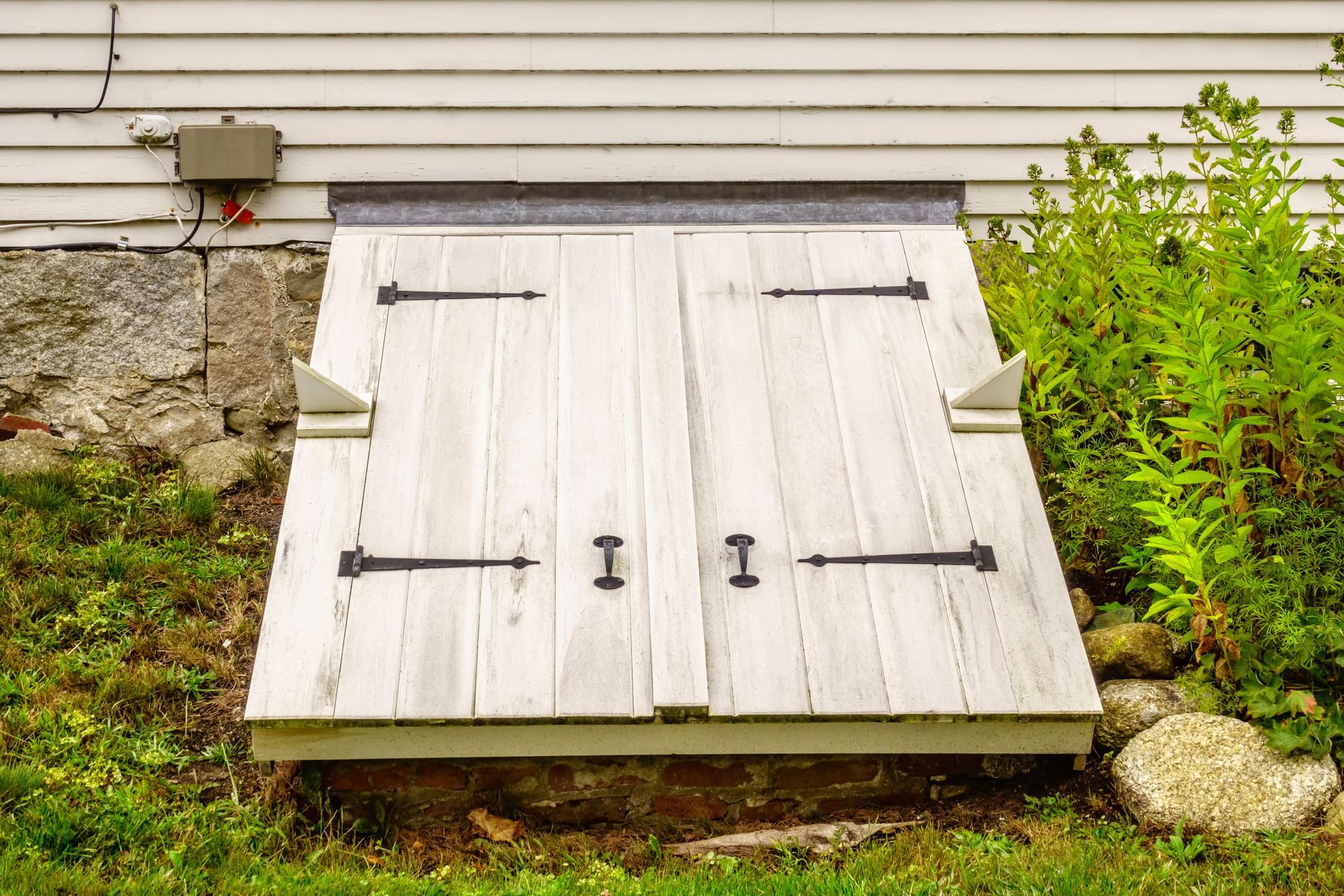
For below-ground units, anchoring challenges shift from resisting wind lift to counteracting hydrostatic pressure and buoyancy. When heavy rains accompany severe weather, the water table can rise rapidly, creating an upward force that can actually push an improperly anchored underground unit out of the soil. Consequently, underground systems require extensive concrete hold-down slabs or anti-buoyancy flanges that extend beyond the footprint of the walls, utilizing the weight of the overlying earth to lock the structure firmly in place. Ensuring a flawless connection between the unit and the ground is a non-negotiable step in surviving a catastrophic wind event.
Securing the Door and Locking Mechanisms
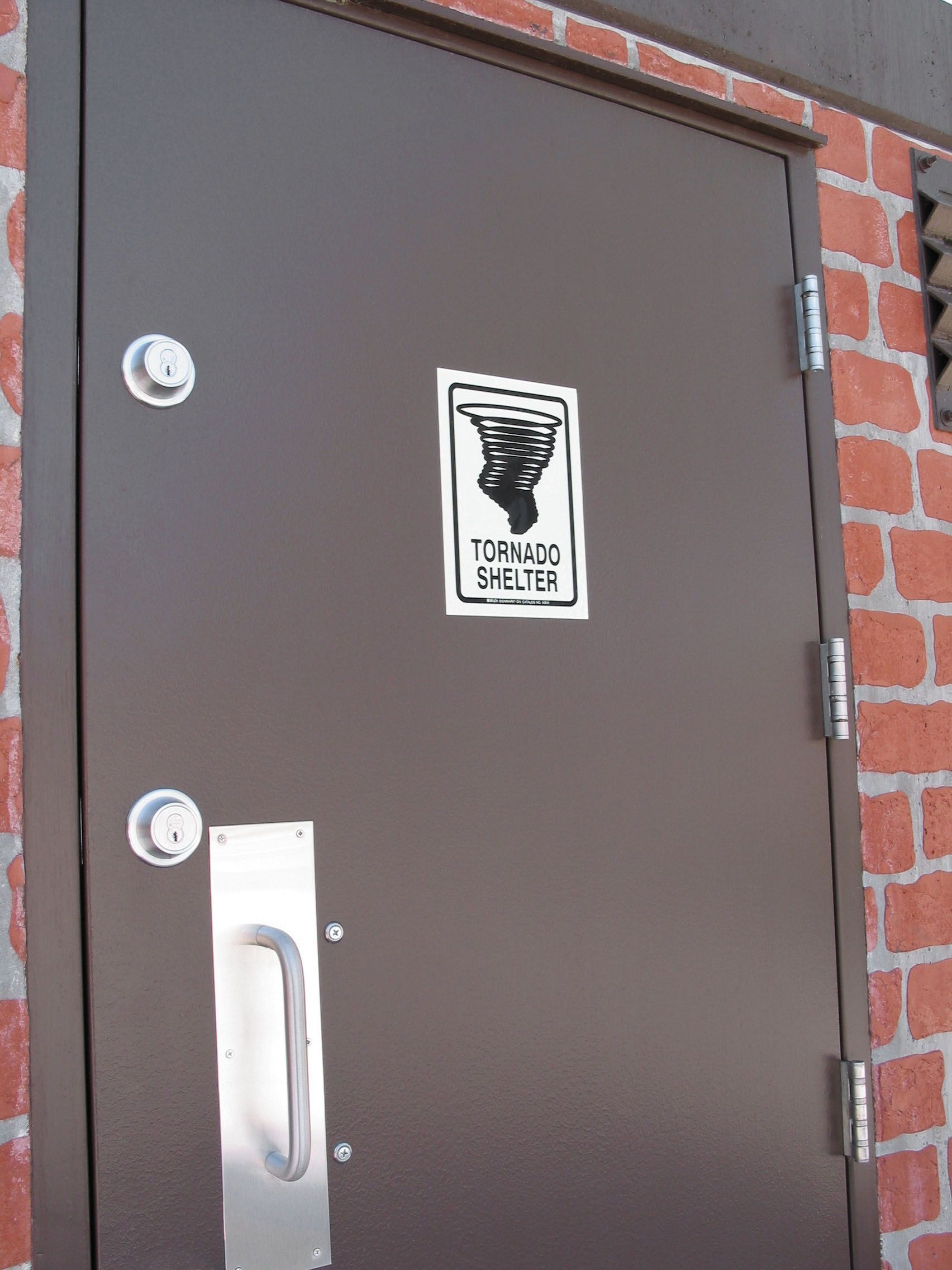
An otherwise impenetrable room can become a trap if its weakest entry point fails during a major storm. Statistically, the weakest link in any tornado shelter is the door assembly, which is why it is critical to consult with shelter experts to ensure it remains functional while facing direct impacts from flying debris and immense pressure changes. A standard residential door, or even a heavy-duty commercial security door, cannot withstand the impact testing required for storm safety. The door must be professionally engineered from heavy-gauge steel and paired with an expert-installed, reinforced steel frame that prevents warping under stress.
The hardware that keeps the door sealed during the height of the tempest also requires professional installation. Safe rooms must utilize specialized multi-point locking systems, which should be sourced from certified manufacturers to properly distribute the immense forces evenly across the entire structure rather than concentrating the stress on a single latch point. Furthermore, certified designers ensure the door opens inward so that if heavy debris collapses outside the entrance after the storm passes, the occupants are not permanently trapped inside and can still open the door to exit.
Installing Adequate Ventilation Systems
While sealing a structure against the outside elements is vital for safety, human occupants require a continuous supply of fresh oxygen to breathe safely over extended periods. Implementing proper airflow within a tornado shelter is a complex balancing act, as ventilation openings create potential vulnerabilities where wind-driven rain or small debris could enter. A qualified structural engineer follows guidelines dictating that all air intake and exhaust vents must be protected by heavy-duty steel baffles, shrouds, or protective hoods. These protective covers are designed to deflect flying missiles and prevent direct impacts from compromising the air openings.
Professional shelter designers precisely calculate the total area of the ventilation openings based on the maximum occupant capacity of the space to prevent the buildup of carbon dioxide. Furthermore, because tornadoes frequently knock out local power grids, relying on electrical HVAC systems or motorized fans is highly impractical. Instead, the ventilation system must rely on natural convection and strategic vent placement—typically placing intake vents lower on the structure and exhaust vents higher up—to facilitate continuous, passive air exchange. Expert installation ensures these systems function flawlessly, keeping the internal environment survivable and comfortable without needing external power sources.
Stocking Essential Emergency Supplies
Once the physical structure is fully optimized by professional tornado shelter builders, attention must turn to the interior environment and human sustainability during and immediately after a catastrophic event. Spending hours inside a professionally designed shelter means you must prepare for the realistic aftermath: widespread power outages, ruptured water mains, and delayed emergency response times. At a bare minimum, your expert-built space should be stocked with a comprehensive first aid kit, heavy-duty flashlights, a crank-powered or battery-operated weather radio, and a surplus of fresh water and non-perishable food. It is also wise to include personal protection gear, such as safety goggles, thick leather work gloves, and hard hats, to shield occupants from debris when exiting the structure.
Communication tools are equally vital, as cell towers may be severely damaged during a crisis. Keeping fully charged portable power banks, a whistle to signal for help if trapped, and a written emergency contact list ensures you can communicate effectively once the danger has passed. Sanitation supplies, essential prescription medications, and copies of critical legal documents stored in a waterproof container should also be integrated into your supply cache. By partnering with certified experts to build and thoroughly equip the interior space, you transform a simple structural shell into a fully functional sanctuary capable of sustaining life during the chaotic aftermath of a severe storm.
Building a certified space that meets strict engineering standards with professionals is the single most effective way to protect your family from volatile windstorms. Investing in a high-quality shelter provides invaluable peace of mind, knowing that you possess a virtually indestructible barrier against nature's most violent atmospheric phenomena. For more information on a durable tornado shelter, please contact New Day Tornado Shelters today.