July 17, 2026
Severe weather events can occur with little warning, making preparation one of the most important steps property owners can take to protect themselves and their families. Storm shelters provide a reliable space for safety during extreme conditions, but simply having a shelter is not enough. Keeping it properly maintained and ready for use is essential to ensure it performs as intended when it matters most. This is where storm shelter services play a critical role, helping property owners maintain readiness and confidence in their emergency plans.
Many people invest in storm shelters with the expectation that they will be ready whenever needed, but over time, conditions can change. Structural wear, environmental exposure, and overlooked maintenance can reduce the effectiveness of a shelter. Regular attention ensures that these spaces remain functional, accessible, and safe. Working with professionals who specialize in storm shelter services helps ensure that every component is evaluated and maintained properly, supporting long-term reliability and protection.
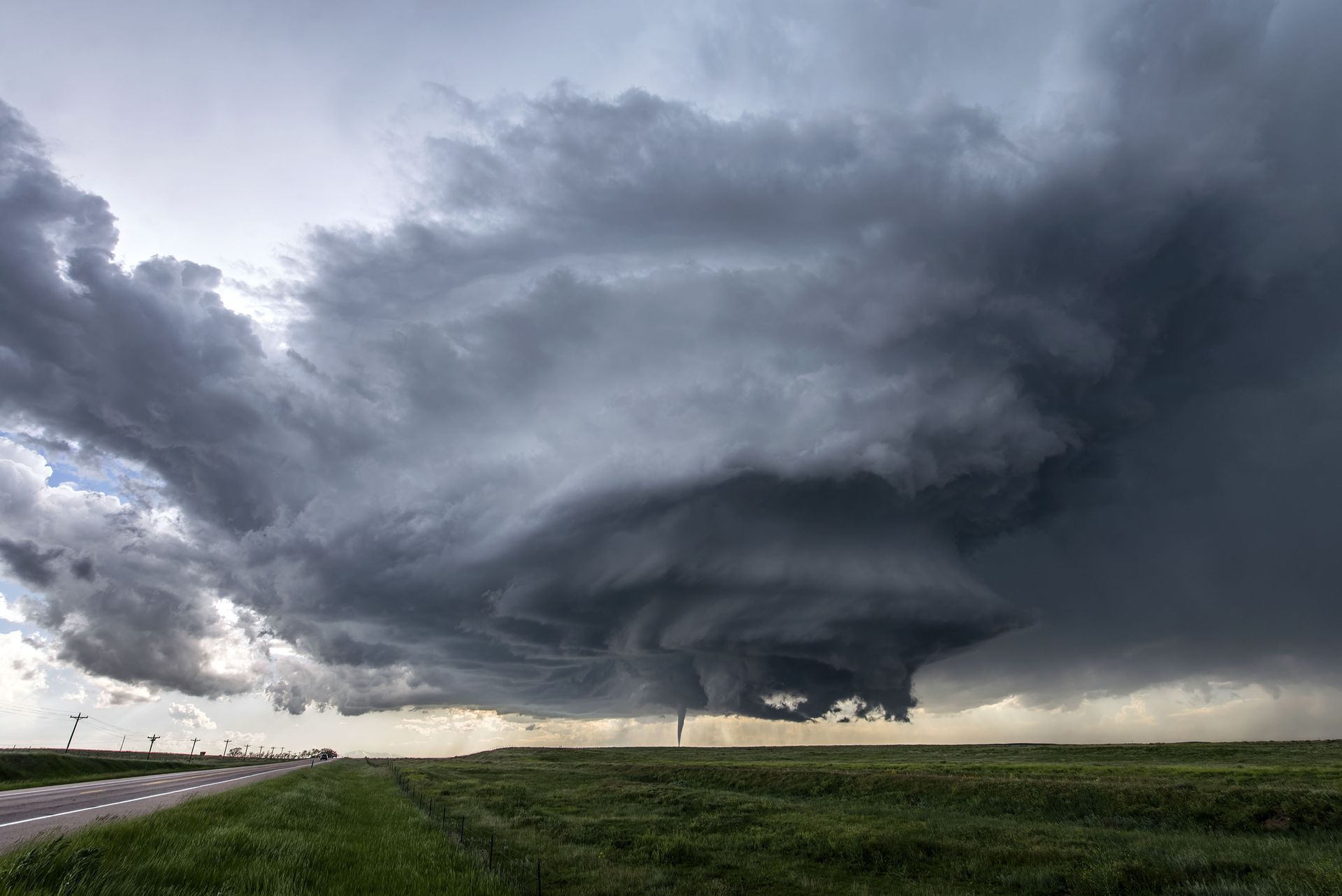
According to National Geographic, tornadoes in the United States cause roughly $400 million in damage each year, highlighting the ongoing impact of severe weather events. This level of damage underscores the importance of having a well-prepared shelter that can provide protection during emergencies. By prioritizing proper preparation and maintenance, property owners can reduce risk and improve their readiness for unpredictable conditions.
We’ve seen how consistent preparation can make a meaningful difference when severe weather strikes. Here are the key ways to keep your storm shelter prepared for emergencies and how each step contributes to safety, accessibility, and long-term reliability.
Maintaining Structural Integrity and Safety
Inspecting Shelter Walls and Doors
Regular inspection of walls, doors, and entry points is essential for ensuring that the shelter remains structurally sound. Cracks, corrosion, or loose components can compromise safety if not addressed. Professional storm shelter services help identify these concerns early and ensure that the structure continues to provide reliable protection.
Checking Seals and Closures
Proper sealing is critical for keeping out debris, water, and wind during severe weather. Damaged or worn seals can reduce the effectiveness of the shelter. Routine checks help ensure that closures remain secure and fully functional.
Evaluating Anchoring Systems
Anchoring systems are designed to keep the shelter securely in place during high winds and extreme conditions. Over time, these systems may require inspection or reinforcement. Ensuring proper anchoring supports the overall stability of the shelter.
Ensuring Safe Entry and Exit Points
Access to the shelter must remain clear and functional at all times. Doors should open and close smoothly without obstruction. Maintaining these access points is essential for ensuring that the shelter can be used quickly during an emergency.
Keeping the Shelter Clean and Organized
Removing Debris and Clutter
Keeping the interior of the shelter free from debris ensures that there is adequate space for occupants. Clutter can create hazards and reduce accessibility during emergencies. Routine cleaning helps maintain a safe environment.
Organizing Essential Supplies
Emergency supplies should be stored in an organized manner for easy access. This includes items such as water, flashlights, and first aid materials. Proper organization supports efficient use of the shelter during critical situations.
Maintaining Ventilation Areas
Ventilation systems must remain clear to ensure proper airflow. Blocked vents can reduce air quality and create discomfort during extended use. Regular checks help maintain a healthy environment inside the shelter.
Preventing Moisture Buildup
Moisture can lead to mold or structural issues if not addressed. Keeping the shelter dry helps preserve its condition and ensures a safer environment for occupants. Proper maintenance supports long-term usability.
Stocking and Updating Emergency Supplies
Ensuring Adequate Water and Food Supplies
Having sufficient water and non-perishable food is essential for emergency preparedness. Supplies should be checked regularly to ensure they remain usable and accessible. Reliable storm shelter services can provide guidance on maintaining appropriate supply levels.
Maintaining Lighting and Power Sources
Flashlights, batteries, and other power sources should be readily available and in working condition. Proper lighting is critical for visibility and safety during emergencies.
Including First Aid and Medical Supplies
A well-stocked first aid kit is an important part of any emergency plan. Ensuring that supplies are complete and up to date helps prepare for unexpected situations.
Reviewing Supply Expiration Dates
Emergency supplies can expire over time, reducing their effectiveness. Regular reviews help ensure that all items remain functional and ready for use when needed.
Ensuring Accessibility and Readiness
Keeping Access Paths Clear
The path to the shelter should remain unobstructed to allow for quick entry during emergencies. Regular maintenance ensures that nothing blocks access when time is critical.
Testing Door Functionality
Doors should be tested periodically to ensure they operate smoothly. Difficulty opening or closing a door can delay entry during severe weather, making regular checks essential.
Reviewing Emergency Plans
Having a clear plan for when and how to use the shelter helps ensure that everyone knows what to do during an emergency. Regular reviews keep these plans fresh and effective.
Practicing Shelter Access Procedures
Familiarity with the shelter’s location and operation can improve response time. Practicing access procedures helps ensure that occupants can enter quickly and safely.
Monitoring Environmental and External Conditions
Checking the Surrounding Landscape
The area around the shelter should be maintained to prevent obstructions or hazards. Overgrown vegetation or debris can interfere with access and should be addressed regularly.
Managing Drainage and Water Flow
Proper drainage helps prevent water from accumulating around or inside the shelter. Ensuring that water flows away from the structure supports long-term durability.
Protecting Against External Damage
External elements such as falling branches or debris can damage the shelter. Regular monitoring helps identify potential risks and address them before they cause harm.
Adapting to Seasonal Changes
Seasonal conditions can affect the shelter’s environment. Adjusting maintenance practices based on weather patterns helps ensure consistent performance throughout the year.
Supporting Long-Term Maintenance and Reliability
Scheduling Regular Professional Inspections
Routine inspections by professionals help identify issues that may not be visible during basic checks. Storm shelter services provide the expertise needed to maintain optimal performance and safety.
Addressing Minor Issues Promptly
Small concerns can develop into larger problems if left unaddressed. Prompt attention helps maintain the condition of the shelter and prevents costly repairs.
Maintaining Structural Components Over Time
Ongoing care helps preserve the integrity of the shelter’s materials and components. Consistent maintenance ensures that the structure remains dependable over time.
Ensuring Consistent Emergency Preparedness
Preparedness is key to minimizing the impact of severe weather. A well-maintained shelter ensures that occupants are ready to respond quickly when conditions change. Regular upkeep supports confidence in the shelter’s ability to provide protection.
Keeping a storm shelter prepared for emergencies requires consistent attention and a proactive approach. From maintaining structural integrity and organizing supplies to ensuring accessibility and monitoring environmental conditions, each step plays a role in creating a safe and reliable space. Storm shelter services help property owners stay prepared by providing the expertise needed to maintain these critical systems effectively.
By prioritizing preparation and maintenance, property owners can reduce risks and improve their readiness for severe weather events. A well-maintained shelter provides peace of mind and ensures that protection is available when it is needed most.
If you’re ready to ensure your shelter is fully prepared for emergencies, contact New Day Tornado Shelters today to learn how professional storm shelter services can help maintain safety, reliability, and long-term protection for your property.