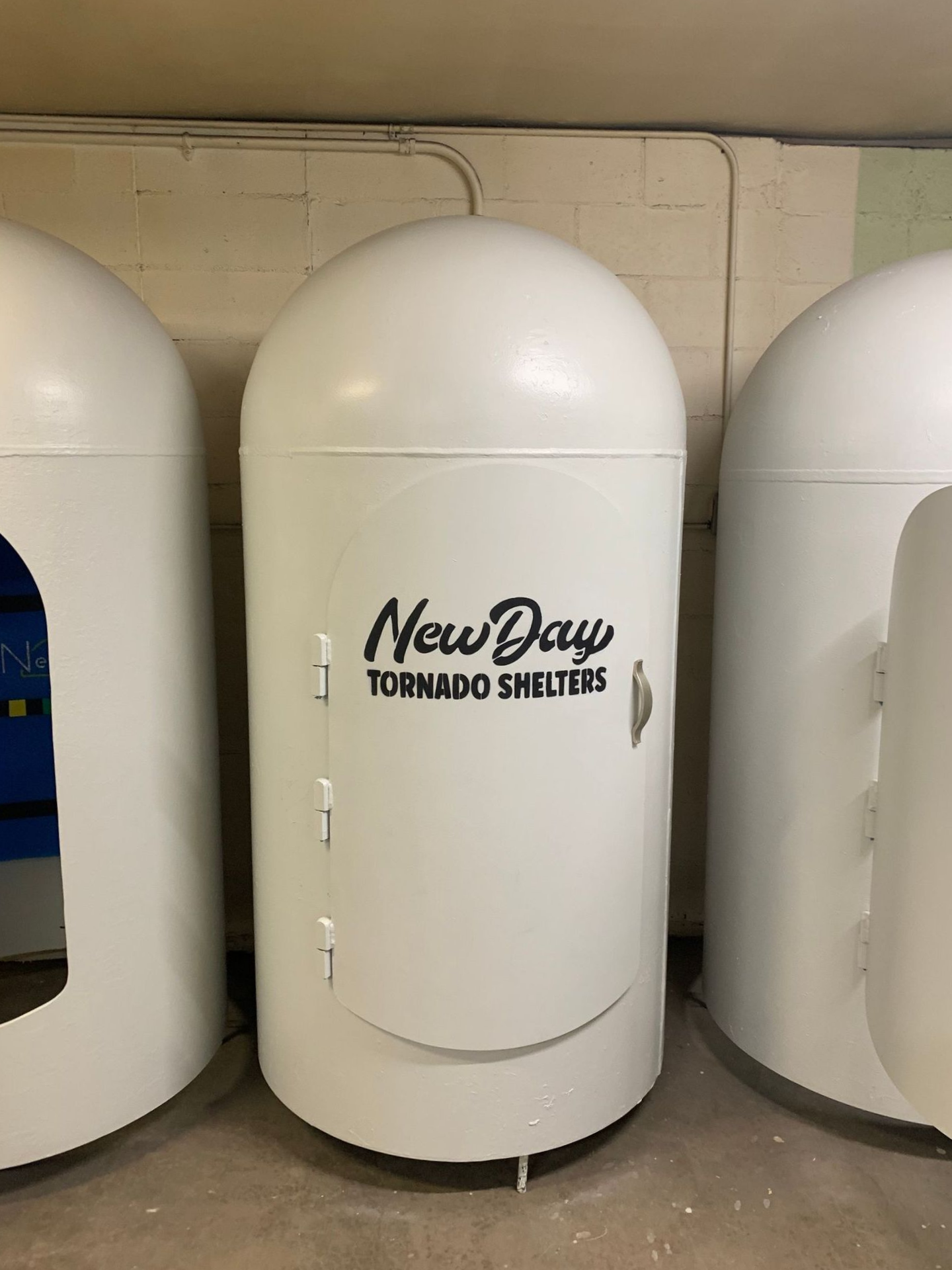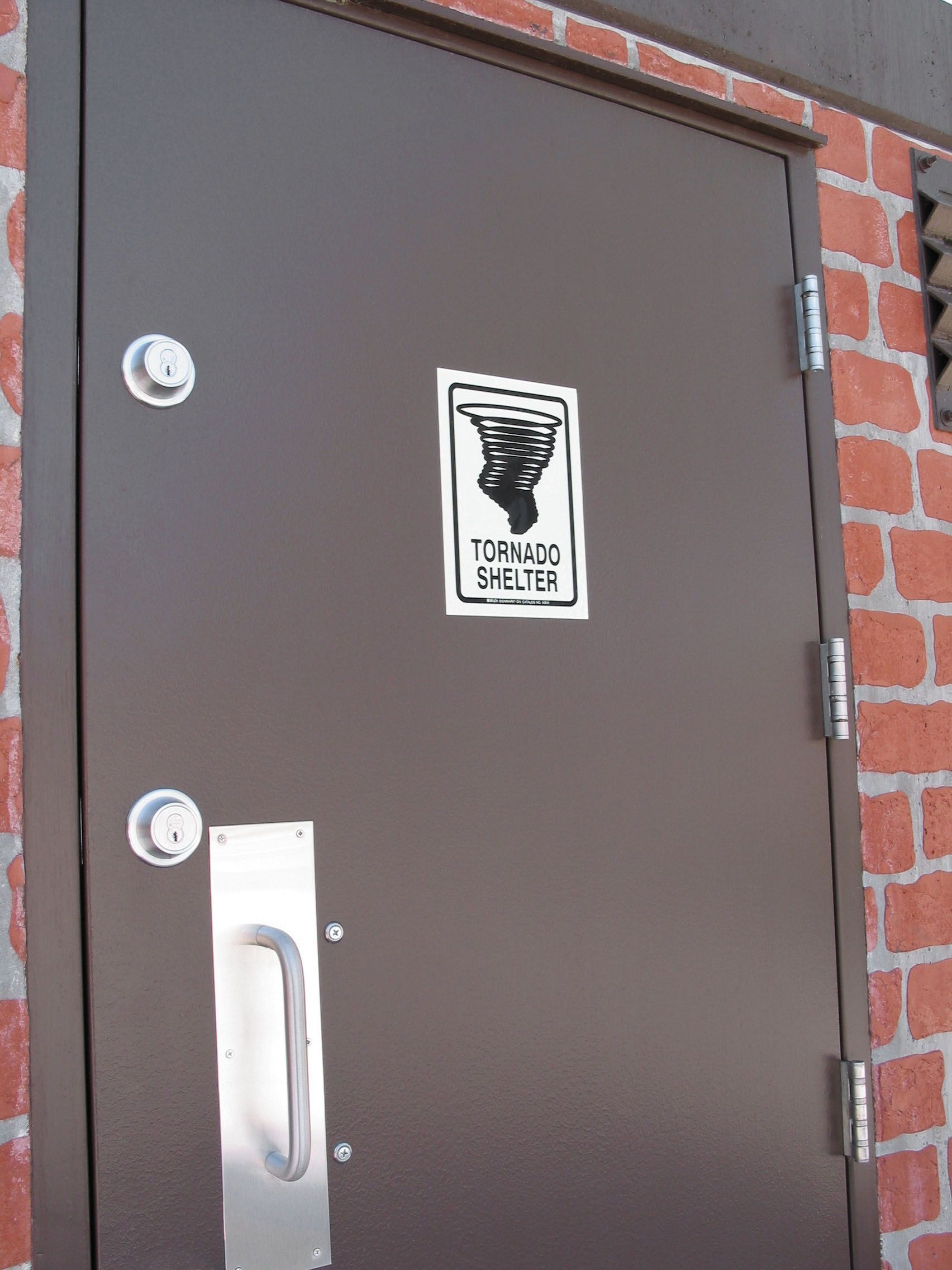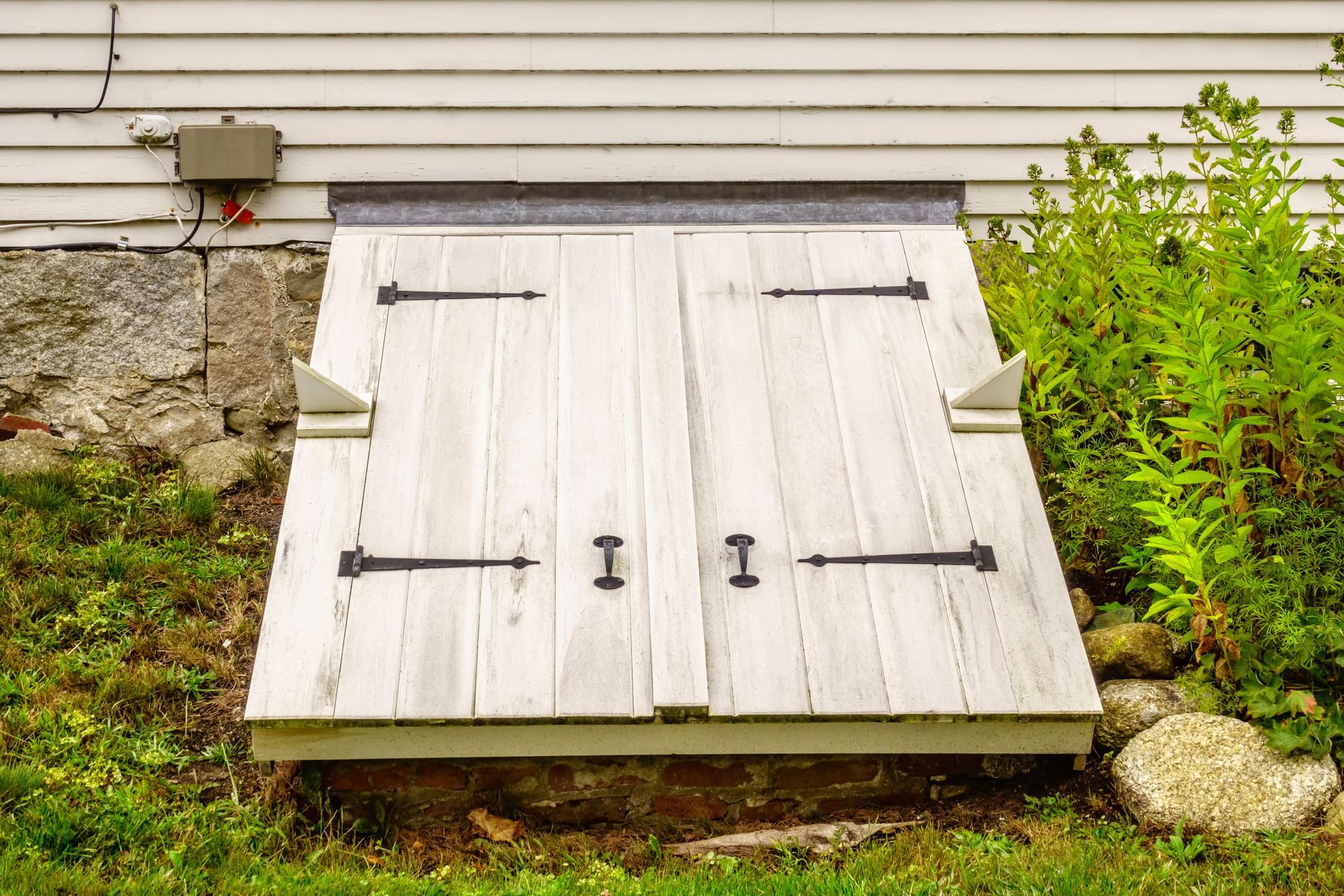
The increasing frequency of tornadoes has made it crucial for families and communities to consider safety measures like tornado shelters. These shelters play an instrumental role in safeguarding lives during such catastrophic events. The focus of this article is to highlight the essential features that determine the strength and effectiveness of a tornado shelter, particularly one designed for short-term protection during an active storm. According to The Center for Disaster Philanthropy, at least 35 fatalities were attributed to tornadoes in 2025 alone, highlighting the urgent need for reliable shelter solutions. Structural integrity, accessibility, and practical design are the foundation of a dependable tornado shelter built for rapid protection when minutes matter most.
Tornadoes develop quickly and can intensify with little notice. Even with modern forecasting tools and warning systems, the window to act is often brief. Because of this, the most effective shelters are those that focus on immediate life safety rather than secondary features. A properly engineered tornado shelter is intended to provide protection during the peak intensity of the storm and allow occupants to exit safely once the danger has passed. This clarity of purpose guides every aspect of the design and installation process.
1. Structural Integrity
Reinforced materials are a cornerstone in the construction of a quality tornado shelter, ensuring it withstands extreme conditions. The use of steel, a material known for its high tensile strength, and reinforced concrete, which can resist tremendous pressure and impact, is critical. These materials are selected for their ability to endure violent wind forces and airborne debris. By implementing these materials, the shelter maintains its structural form even during direct impact. The strength of the construction is what provides true life-saving protection during a tornado event.
Engineering standards and third-party testing play an important role in validating structural performance. Shelters that meet or exceed recognized safety guidelines offer homeowners greater confidence that the structure has been evaluated under controlled impact scenarios. These evaluations simulate real-world storm conditions, ensuring the shelter performs as intended when exposed to flying debris and extreme wind pressure. Verified performance is a critical component of overall reliability.
A secure anchoring system is equally vital to prevent the shelter from shifting or lifting during severe winds. Anchoring systems are integrated deep within the ground or foundation, using heavy-duty bolts or engineered footings designed to firmly secure the structure. Tornadic winds generate significant uplift forces, and proper anchoring ensures the shelter remains firmly in place. Professional installation and engineering precision are essential to achieving this level of stability.
The ability to withstand high-speed debris impact is a defining feature of a dependable tornado shelter. Quality shelters are tested under simulated conditions to confirm they can endure projectile impacts similar to those experienced during severe storms. This level of impact resistance is crucial, as wind-driven debris poses one of the greatest dangers during a tornado. A properly engineered shelter prioritizes this protection above all else.
2. Location and Accessibility
The effectiveness of a tornado shelter depends greatly on its proximity to daily living areas. Because tornado warnings often provide only minutes to act, shelters must be easily and quickly accessible. Many shelters are installed inside garages or positioned conveniently on the property to allow fast entry. The key is minimizing travel time so occupants can move to safety immediately after a warning is issued.
Strategic placement also considers common daily routines. Installing a shelter in a location that is routinely accessed increases the likelihood that family members can reach it quickly without confusion. Clear pathways, unobstructed entry points, and thoughtful positioning all contribute to faster response times during severe weather. Avoiding clutter around the entrance and maintaining a consistently accessible route ensures nothing slows movement when urgency is highest.
Ease of entry is critical during high-stress moments. Doors should operate smoothly and open quickly without complicated mechanisms. The design should allow adults, children, and elderly family members to enter without delay. When seconds count, simplicity and reliability are essential. Hardware components should be durable and require minimal effort to engage, reducing the risk of hesitation or mechanical difficulty.
Clear access pathways and adequate lighting near the shelter entrance improve safety during severe weather conditions. Since power outages are common during storms, battery-powered lighting or glow indicators near the entry point can help ensure safe access. These practical considerations enhance usability without overcomplicating the shelter's design. Consistent maintenance and periodic checks of lighting and door function further support dependable performance when it matters most.
3. Ventilation and Interior Conditions
Proper ventilation is an important component of a tornado shelter, even for short-term occupancy. While occupants are typically inside for only a brief period, often just minutes, adequate airflow ensures a safe and breathable environment while the storm passes. Ventilation openings are designed to maintain air exchange while preserving the structural integrity of the shelter. These openings are engineered to prevent debris intrusion while still allowing consistent airflow, balancing safety with essential air circulation requirements.
It is important to understand that tornado shelters are not climate-controlled spaces. The interior temperature will generally reflect the surrounding environment, whether that is a garage installation or an outdoor unit exposed to seasonal conditions. Because occupancy is short-term and limited to the duration of the immediate threat, advanced temperature regulation systems are not necessary. The shelter's primary function is protection from impact and wind forces, not environmental comfort. This straightforward approach keeps the design focused on structural performance rather than secondary features.
The interior layout is intentionally straightforward. Space is allocated to allow occupants to stand or position themselves safely while the storm moves through the area. The design avoids unnecessary features and instead emphasizes durability, stability, and rapid usability. Every element serves the single purpose of delivering dependable protection during the most dangerous portion of a tornado event. The streamlined configuration also supports quick entry and exit, reinforcing the shelter's role as immediate storm protection.
4. Capacity and Practical Design
Understanding a shelter's occupancy capacity ensures it can safely accommodate members of the household during an emergency. Shelters are engineered with clear maximum capacity guidelines to maintain safety and structural performance. Knowing how many individuals the shelter is designed to hold allows families to plan effectively and avoid overcrowding during an urgent situation.
Unlike multipurpose safe rooms intended for extended occupancy, this shelter is specifically engineered for short-duration protection during an active tornado warning. As such, it is not designed for sleeping arrangements or long-term habitation. Its design prioritizes rapid entry, maximum structural protection, and efficient use of space during the brief time occupants remain inside.
5. Communication and Alert Awareness
Staying informed during severe weather is essential. While inside the shelter, occupants can rely on mobile devices or weather radios to monitor updates and determine when it is safe to exit. Because time inside the shelter is typically limited to the duration of the storm cell passing through, maintaining awareness of official alerts remains a key safety practice.
A well-built tornado shelter serves one primary purpose: protecting lives during the most dangerous minutes of a severe storm. Structural strength, secure anchoring, debris resistance, and fast accessibility are the defining characteristics of an effective design. By focusing on these critical elements, homeowners can invest in a shelter that provides dependable protection aligned with real-world tornado response needs. For more information about the services offered, reach out to the team at New Day Tornado Shelters today.