May 16, 2026
Tornadoes are a formidable weather phenomenon that can cause significant damage and pose serious threats to life. Understanding the difference between a tornado watch and a tornado warning is essential for family safety and preparedness. This article delves into the nuances of these terms and offers practical advice on how families can ensure safety during such events.
Whether you live in a tornado-prone area or not, being informed about these meteorological alerts is crucial. Tornadoes can strike with little warning, making it important to distinguish between the types of alerts issued. Families that are better prepared stand a greater chance of minimizing risks and responding effectively during tornado situations.
This article aims to clarify the differences between tornado watches and warnings and provide comprehensive guidance on preparing, responding, and ensuring safety during tornado threats. By understanding these critical concepts, families can reduce panic and ensure the safety of all members.
Understanding Tornadoes and Their Impact
What is a Tornado?
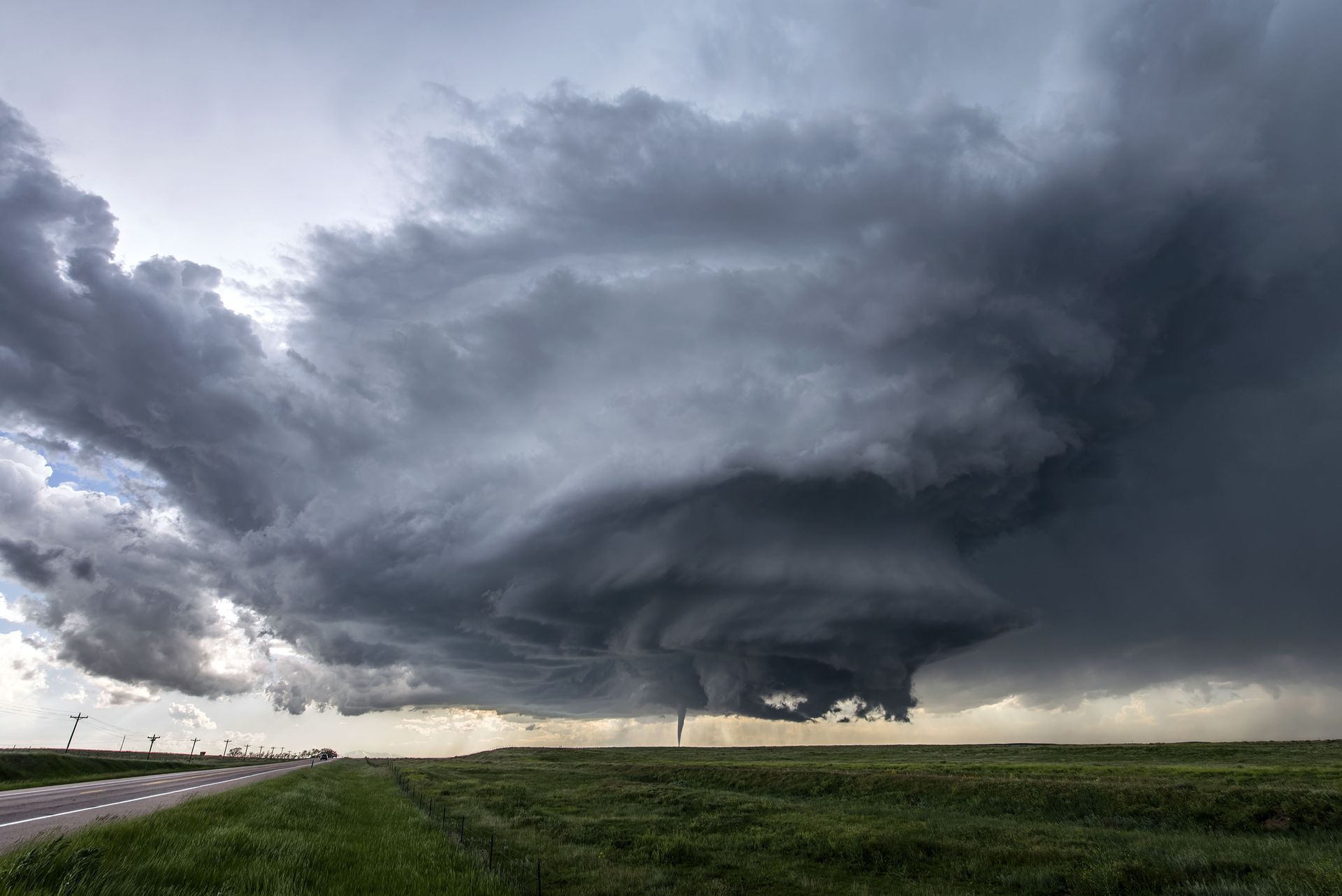
A tornado is a violently rotating column of air that extends from a thunderstorm to the ground. It can cause high-speed winds, leading to devastation along its path. According to Central Michigan University, for a storm to be considered a tornado, it must have a wind speed of at least 65 mph. Tornadoes vary in intensity, size, and duration, often causing significant damage to structures, landscapes, and communities. Understanding what constitutes a tornado is the first step toward appreciating the importance of preparedness and safety.
Tornadoes are typically formed during severe thunderstorms and are characterized by a distinctive funnel shape. The most intense tornadoes can reach speeds of up to 300 mph, making them incredibly destructive. These powerful vortexes of wind and debris create immense pressure differences that can lift objects, tear roofs off buildings, and uproot trees. By recognizing the basic nature of tornadoes, individuals and families are better equipped to respond appropriately when one threatens their area.
The unpredictability of tornadoes adds to their danger, as they can change direction rapidly and form in different parts of a storm. They often occur with little warning, necessitating fast decision-making and action. Proper education on what tornadoes are and how they form helps demystify these phenomena and provides a foundation for the detailed safety strategies described in the following sections. Knowing what a tornado is allows families to stay vigilant when watches and warnings are issued.
The Science Behind Tornado Formation
Tornadoes form under specific atmospheric conditions involving instability, moisture, and wind shear. The interaction of these elements in a thunderstorm creates the potential for tornado formation. When warm, moist air collides with colder, drier air, it can result in powerful convection currents. These convection currents, combined with wind shear (changes in wind speed and direction with height), can create the rotating updrafts that spawn tornadoes. Understanding the science behind tornado formation can help families appreciate the complexity of forecasts and alerts issued by meteorologists.
Cloud rotation is a critical indicator of tornado development, often starting as a small area of rotation within a storm. As the rotating air gains speed and tightens, it may lead to the formation of a funnel cloud. The funnel continues to intensify as it descends toward the ground, eventually becoming a visible tornado. This process illustrates the importance of advanced forecasting techniques and meteorological observations that contribute to issuing timely alerts, enabling families to take preventative measures.
The formation of tornadoes can vary significantly in different geographical regions due to the unique climatic conditions present. Tornado-prone areas often feature the right combination of atmospheric elements that foster tornadoes. By educating families on the science of tornadoes, they can better appreciate the complexity of weather alerts and the reasons behind the diverse terminologies used, such as watches and warnings. This understanding facilitates more effective responses when tornado threats occur.
Common Regions for Tornado Occurrences
Tornadoes are most commonly associated with the United States, particularly in the area known as "Tornado Alley." This region includes parts of Texas, Oklahoma, Kansas, and Nebraska, where climatic conditions favor the formation of tornadoes. However, tornadoes can and do occur in many parts of the world, including Canada, Australia, and parts of Europe. Understanding these regions helps families recognize their risk and encourages proactive preparedness.
Tornado Alley experiences significant tornado activity due to its flat terrain and the interaction of warm, moist air from the Gulf of Mexico with cooler, drier air from the north. This combination creates favorable conditions for severe thunderstorms and tornado formations. While Tornado Alley is well known, tornadoes can also occur outside of this region during specific weather patterns, emphasizing the importance of awareness no matter the location.
In countries outside the United States, tornadoes are often less frequent but can still cause significant damage when they do occur. Regions with a history of tornado activities should have more stringent alert and preparedness systems in place. Knowing that tornadoes can strike almost anywhere at any time fosters a culture of preparedness that reduces risk and enhances response efforts. Families must remain vigilant and informed about weather patterns that could lead to tornadoes in their area.
The Impact of Tornadoes on Communities
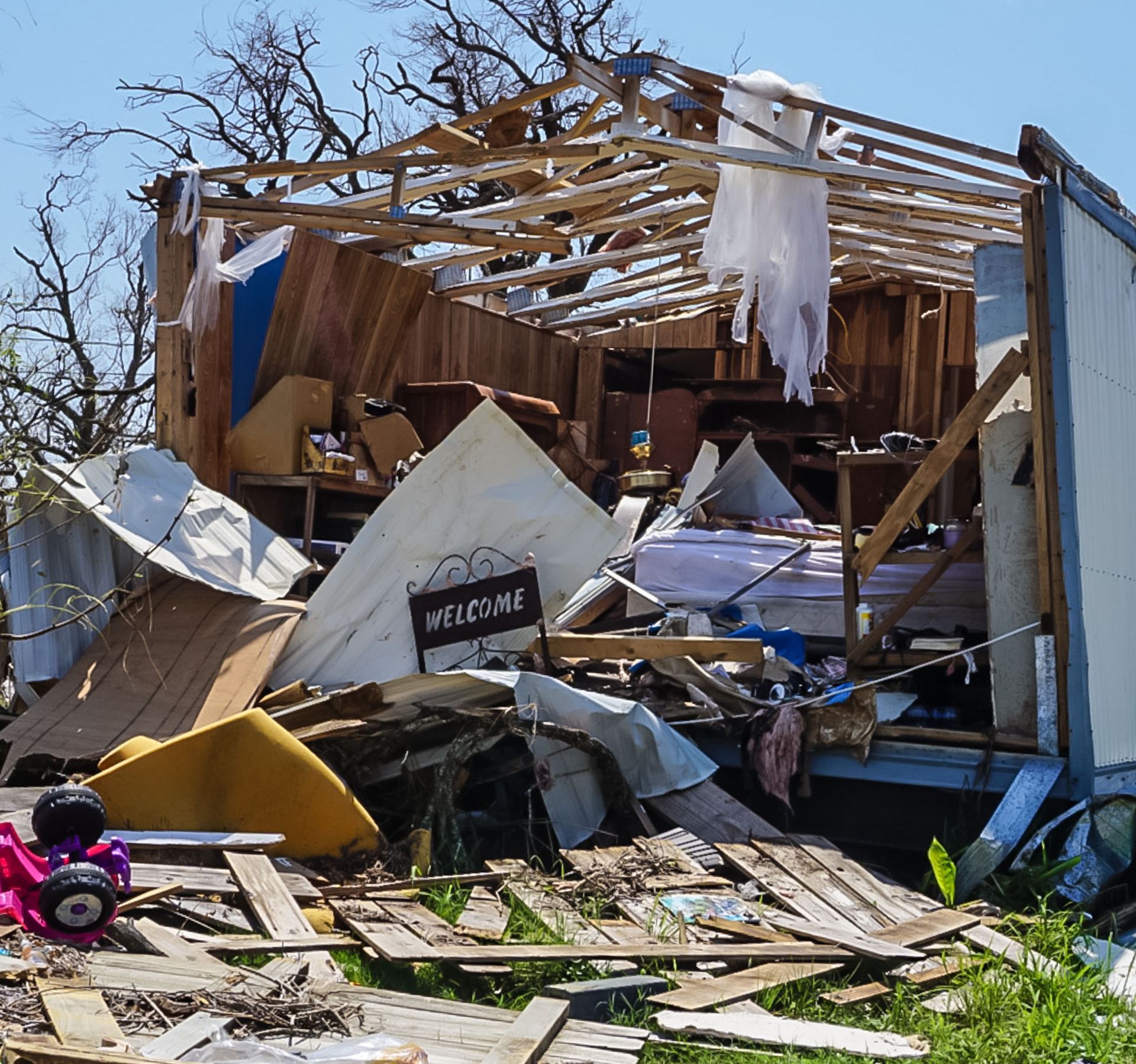
The impact of tornadoes on communities can be devastating, affecting infrastructure, housing, and the local economy. Tornadoes have the potential to cause widespread devastation, destroying homes, schools, and businesses, which often leads to displacement for hundreds of families. The aftermath of a tornado requires considerable resources and community effort to rebuild and recover. Physical damage aside, tornadoes can also inflict emotional trauma on affected individuals, underscoring the need for mental health support following such events.
Aside from the immediate destruction, tornadoes disrupt daily life, causing interruptions in utilities such as electricity, water, and gas services. This disruption can hinder rescue and recovery efforts, prolonging the period of instability for affected communities. The extensive damage often necessitates a coordinated response from local governments, emergency services, and non-profit organizations, highlighting the importance of having robust emergency management plans in place.
Community resilience in the face of tornadoes depends significantly on preparedness and effective communication. By understanding the potential impacts, communities can develop and practice comprehensive emergency response plans that mitigate damage and facilitate faster recovery. Engaging in proactive education about tornadoes and implementing systems for effective communication before, during, and after a tornado can enhance the community's response and recovery capabilities. Ensuring that families understand these impacts is vital for creating a culture of readiness and resilience.
Historical Tornado Events and Lessons Learned
Historically, there have been numerous tornado events that have taught important lessons about disaster preparedness and response. Events like the Tri-State Tornado of 1925, which remains the deadliest in U.S. history, highlight the critical importance of timely warnings and the need for robust emergency management strategies. The lack of technology and communication infrastructure at that time contributed to the high casualty rate, demonstrating the necessity for advancements in meteorological science and public alert systems.
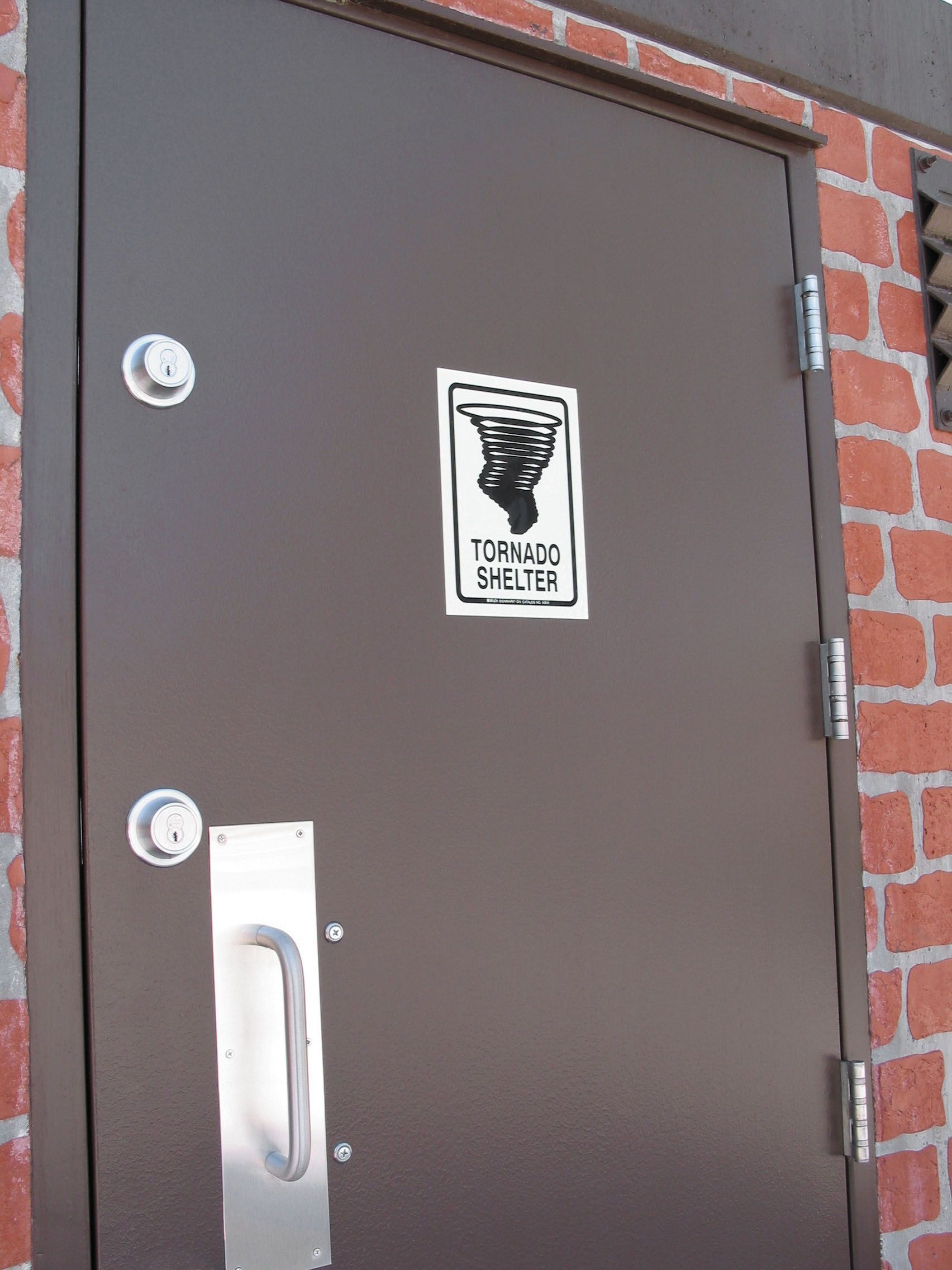
In more recent times, tornado events such as the 2011 Joplin, Missouri tornado have underscored the value of community preparedness and the effectiveness of early warnings. Although the tornado resulted in significant destruction, improved forecasting technologies and community awareness helped save lives. These events have provided valuable data on the behavior of tornadoes and informed better building standards and emergency preparedness protocols. Be sure to reach out to New Day Tornado Shelters today for more information on our professional tornado shelters!